LA SAPE IN CONGO, THROUGH YOHJI YAMAMOTO: A HISTORY OF DRESSING AGAINST THE TERMS, TOLD THROUGH POSTURE, POLISH, AND YOHJI.
2/12/2026
Author: Soukita
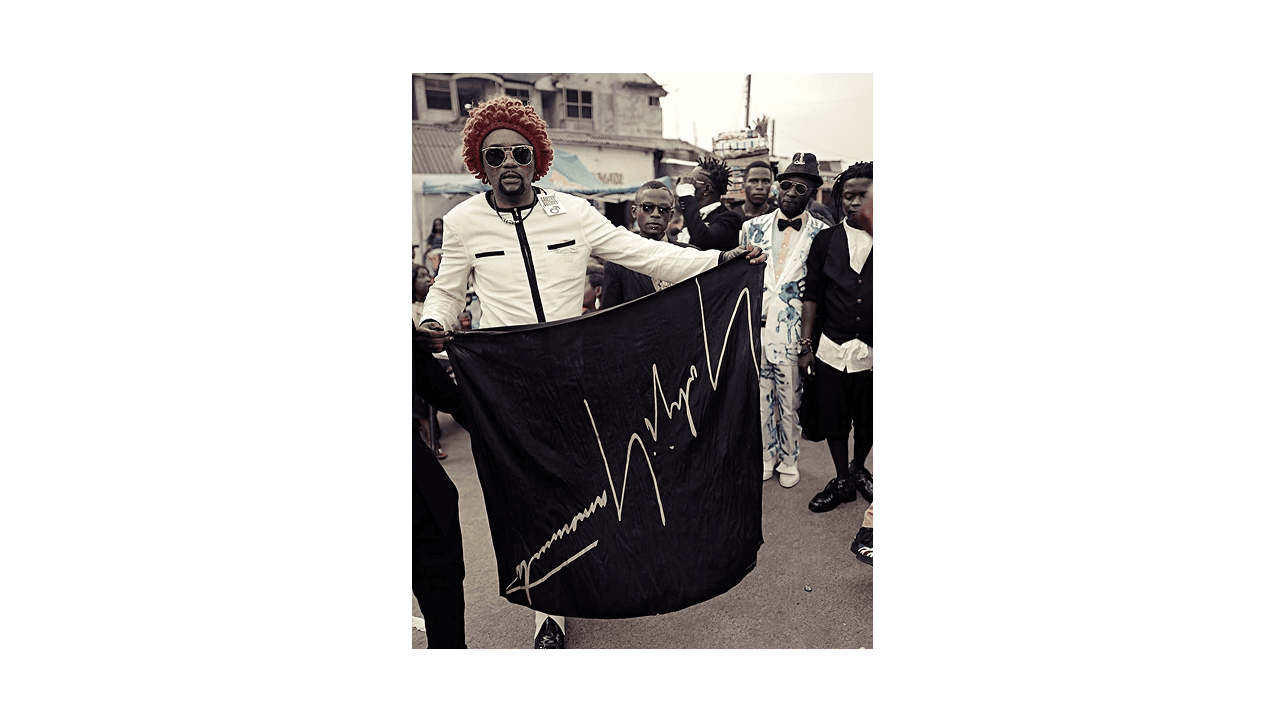
La Sape is a Congolese style movement rooted in Democratic Republic of the Congo and the Republic of the Congo. Its name comes from “Société des Ambianceurs et des Personnes Élégantes,” or Society of Ambiance Makers and Elegant People. It can sound playful on paper, but it isn’t treated casually. For sapeurs, elegance is a code, and Sapologie is their doctrine.Dress is a mirror of behavior. Beyond the clothes, elements like grooming, composure, and manners are essential weight-bearing pillars of their identity. The ultimate goal transcends mere aesthetics; it is an exercise in reclaiming dignity and commanding respect in the public eye..
That’s why La Sape photographs so intensely. You often see the spectacle first: color, posture, perfect trouser break, shoes polished beyond their surroundings. But the images only document the surface layer. Underneath is a practice. A discipline. A way of moving through the world where dignity is treated as something you choose, not something you wait to be granted.
The movement traces back to 1922, when André Matsoua returned to Brazzaville from Paris with a trunk of French suits. This moment defines the Sapeur: European tailoring adopted in the Congo and transformed into a local subculture. Over time, the suit became a calculated strategy rather than just an aesthetic choice. It served as a tool to access restricted spaces and a method of reclaiming the colonizer’s uniform for personal identity.
SAPOLOGIE AS AN ETHIC
Sapologie has rules. It's an order chosen by the person wearing it. A sapeur is expected to be polished, controlled, courteous. Elegance is framed as nonviolence, a social promise that you can be seen without becoming threatening.
Then there are the labels. La Sape is fluent in designer language, with Yohji Yamamoto often serving as the brand of choice. Names aren’t whispered; they are declared. At gatherings, every detail is scrutinised and every brand is part of the narrative. The goal isn't to flaunt wealth, but to project authority. It is proof that taste, discipline, and presence cannot be negotiated by circumstance.
WHY YOHJI
Yohji doesn’t show up in La Sape as a random fashion reference. He fits because his clothes carry restraint. They don’t beg for attention, they hold it. Dark fabric, eased structure, shapes that let the body move without turning it into a billboard. You can stand in black and still feel louder than the room.
Sapeurs understand that kind of control. In Sapologie, the look is only half the work. The rest is how you wear it: the pace, the posture, the timing. Yohji gives you a different kind of elegance, one that isn’t built on brightness. In the capital of the Democratic Republic of the Congo, Kinshasa, it can be integrated with anything. In Brazzaville, where the baseline leans slightly more sartorial, it reads like a twist of the knife, traditional tailoring tilted slightly off-center.
And you don’t need a full Yohji look for it to count. Sometimes it’s a single piece that does the job: a tie, trousers, a coat. A label that gets shown quickly, on purpose. People clock it. The name passes between sapeurs like something you either know or you don’t. Where he’s from isn’t the headline. The cut is.
WHERE THE CLOTHES COME FROM
Designer clothing moves through Congo through people. It comes by way of travel and diaspora, through friends and family abroad, through touring musicians returning with suitcases, through resale and swapping and the quiet borrowing that keeps wardrobes alive. A look isn’t always built in one place, and it rarely arrives all at once. It accumulates across cities and years, piece by piece.
That’s why circulation isn’t frowned upon. When a coat has changed hands, it hasn’t lost its value, it’s gained a story. It’s been chosen more than once. It’s been worn into the world and brought back to life.
Yohji often enters that exact register. Not as a full uniform, but as the anchor that holds everything else steady: trousers under another layer, a coat with weight, a lining opened briefly. The piece isn’t only worn. It’s introduced at the right moment.
THE POINT
The focus is the everyday, where respect isn't guaranteed; it is claimed. La Sape is a reclamation of presence, compelling the world to address you properly rather than looking past you.
Once you see La Sape as a discipline, not a costume, the references start to make sense.
That’s why Yohji belongs in the conversation.
Black can still read as a presence. Not as a loud statement, but as a kind of control. It takes up space without asking permission. It holds its line against everything around it. And in that restraint you can hear the same message La Sape has always carried: I’m not waiting to be validated. I've already decided.
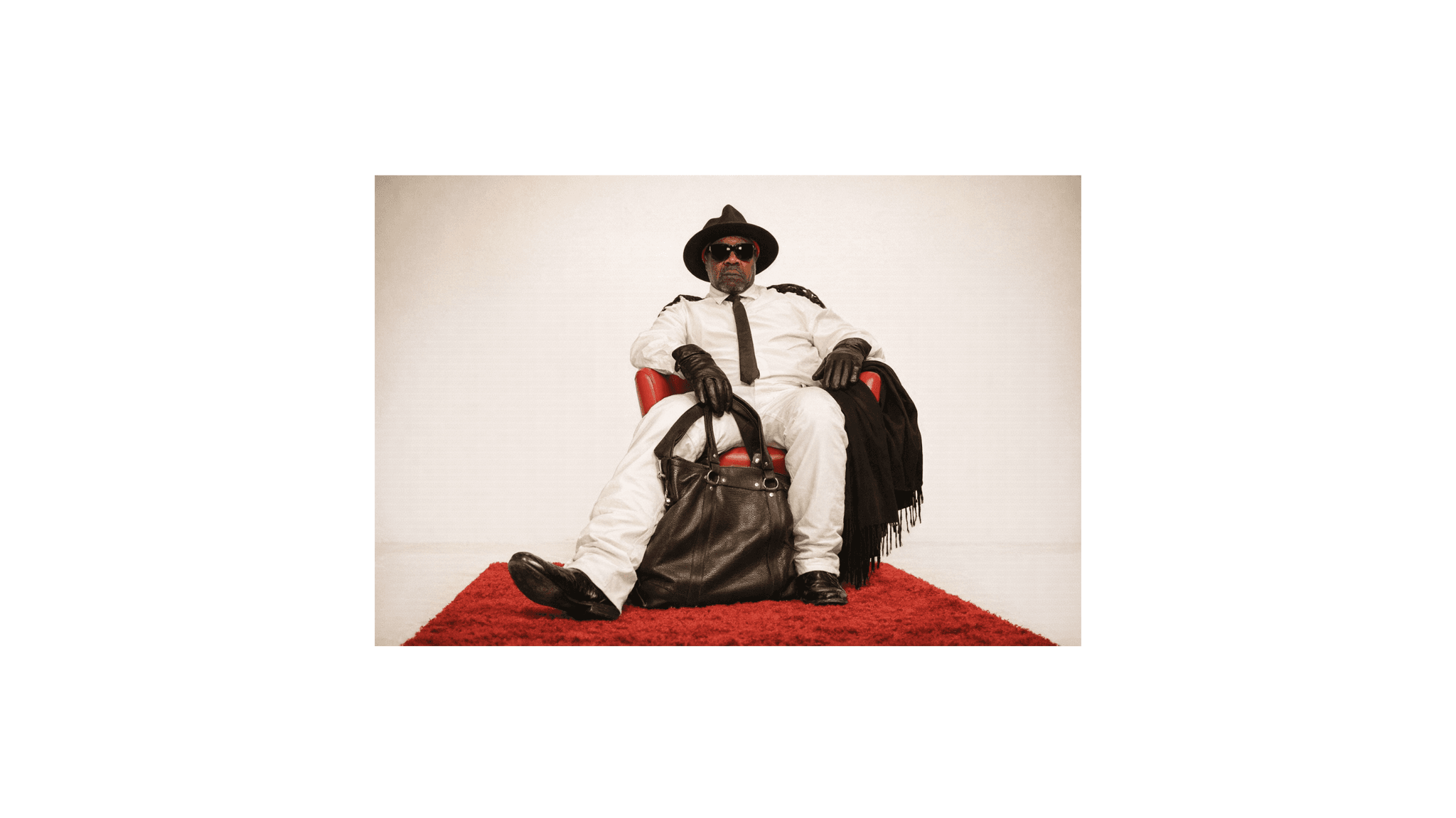
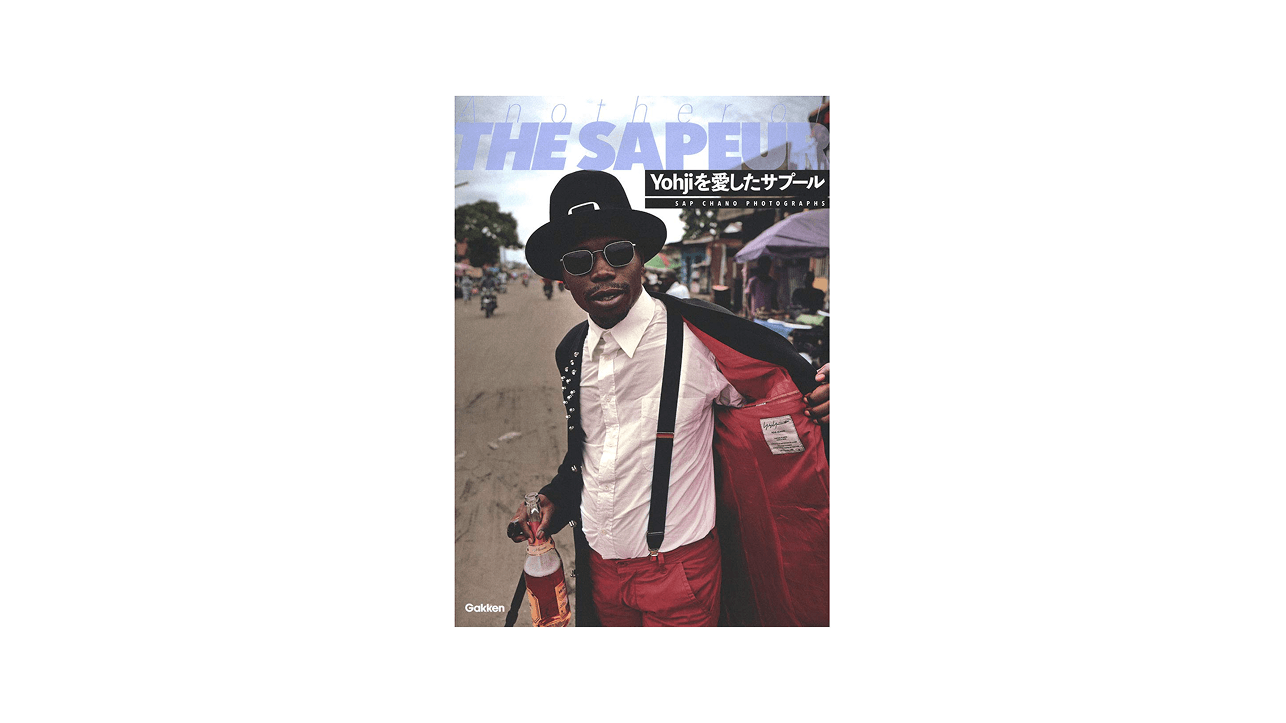
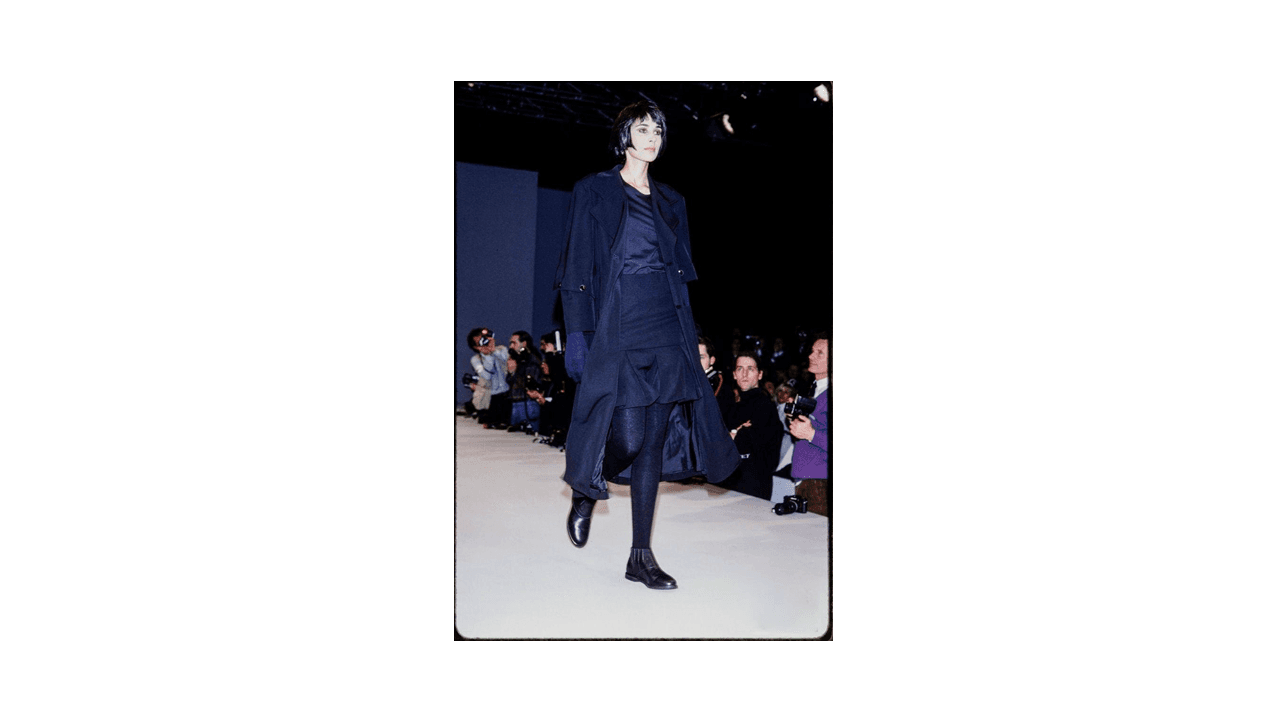
FROM LEFT:
- Papa Wemba
- Book Cover Yohjiを愛したサプール
- Yohji Yamamoto FW1989
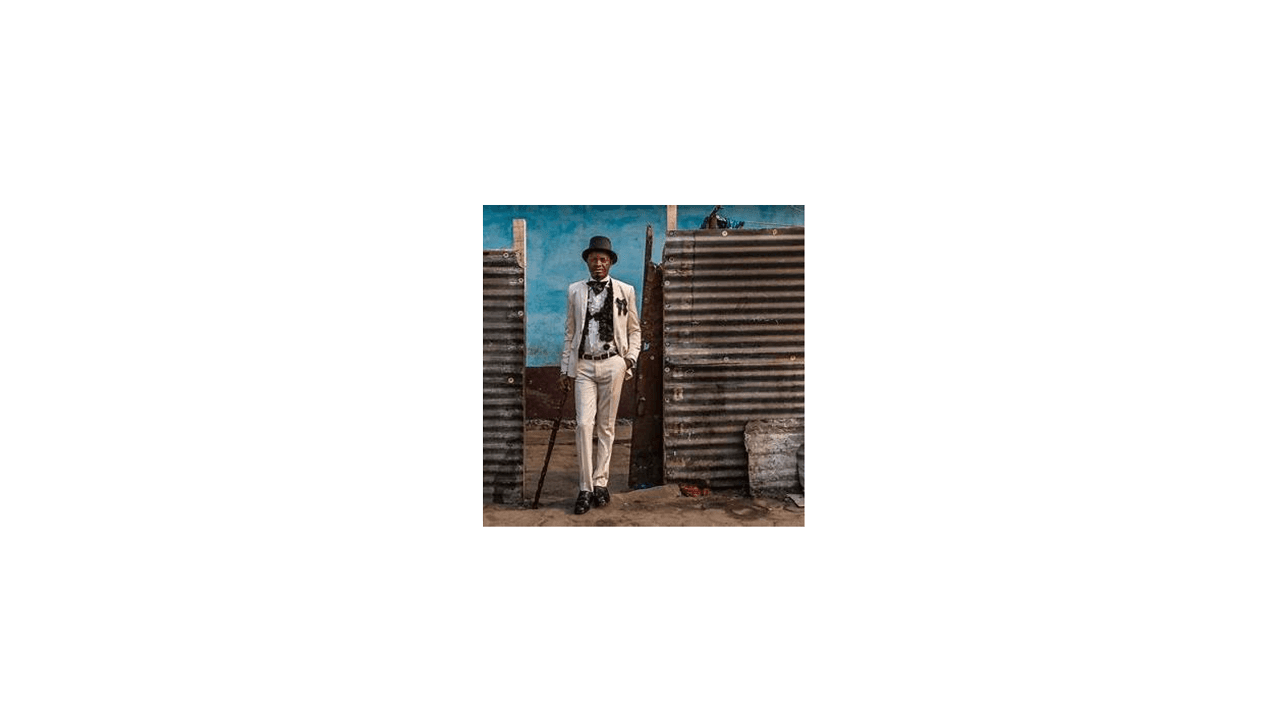
- Kass, 42, has been a sapeur for 20 years. He has three children and sells clothes in a small shop. His favourite item of clothing is his J.M. Weston shoes, which can cost hundreds of dollars. Brazzaville, Republic of the Congo. SOURCE: © Tariq Zaidi
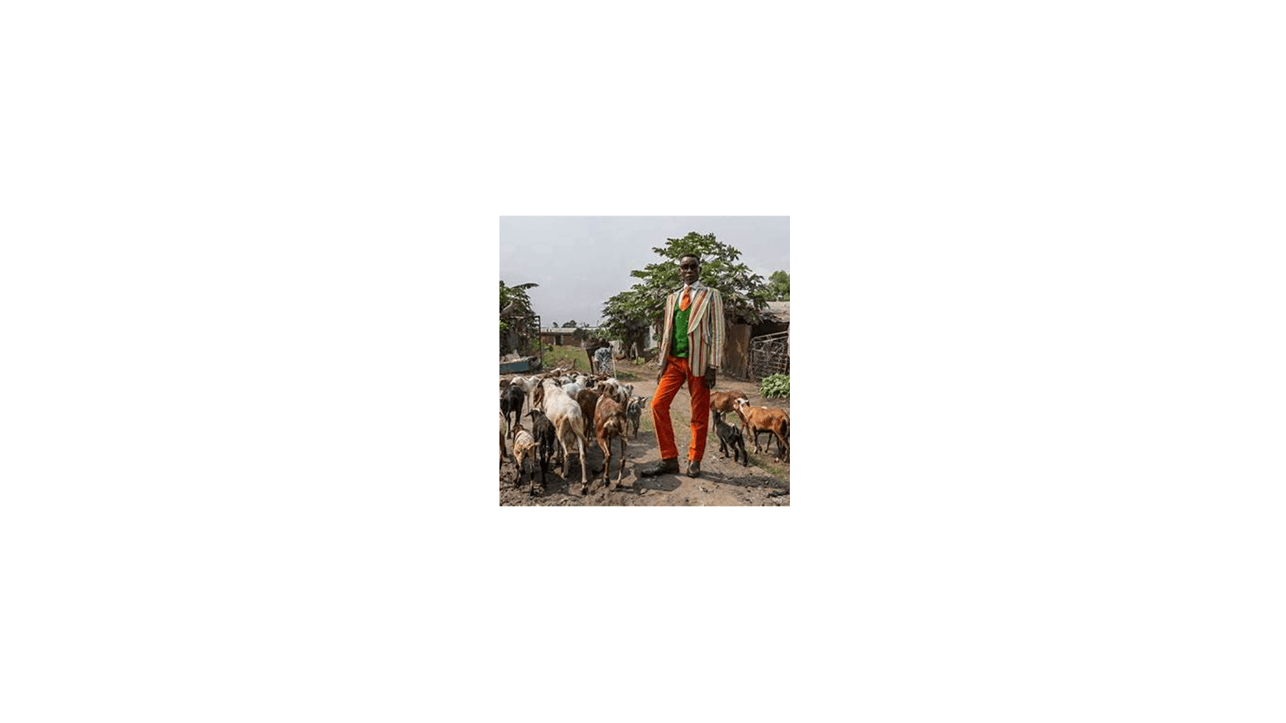
- Maxim, 43, has been a sapeur since he was seven years old. He mixes labels such as Yves Saint Laurent, Pierre Cardin and Christian Dior with suits that he has designed and made himself. Now married with two children, he teaches others the art of how to dress elegantly. Brazzaville, Republic of the Congo. SOURCE: © Tariq Zaidi
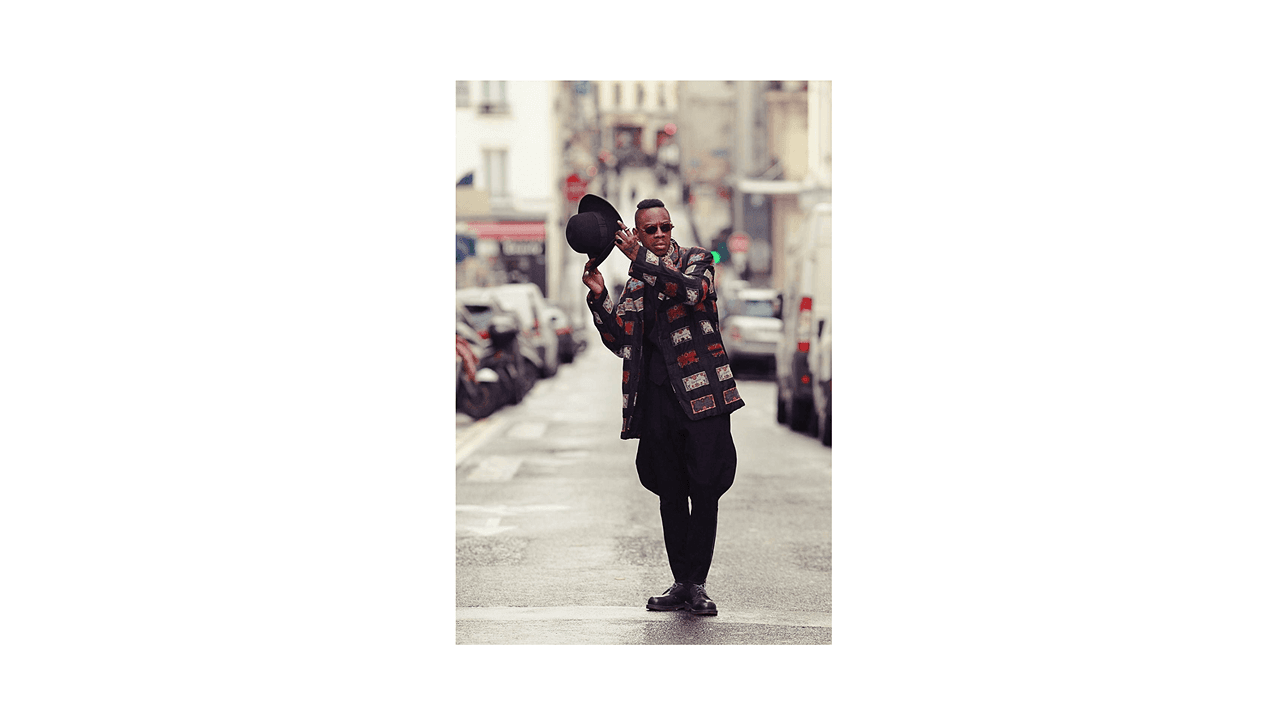
- SAP CHANO, person wearing YOHJI YAMAMOTO