FORM.ACADEMY | ALEXANDER MCQUEEN LECTURE 01 - EARLY LIFE, 1969-1990
3/16/2026
Author: Cyana Djoher, Soukita
01.1 INTRODUCTION
Welcome to FORM Academy. I'm Cyana, a researcher in fashion theory and aesthetic philosophy, and I will be conducting this series of lectures. For this first lecture, we will be covering the early life of Alexander McQueen, from 1969 to 1990.
01.2 Origins in South-East London
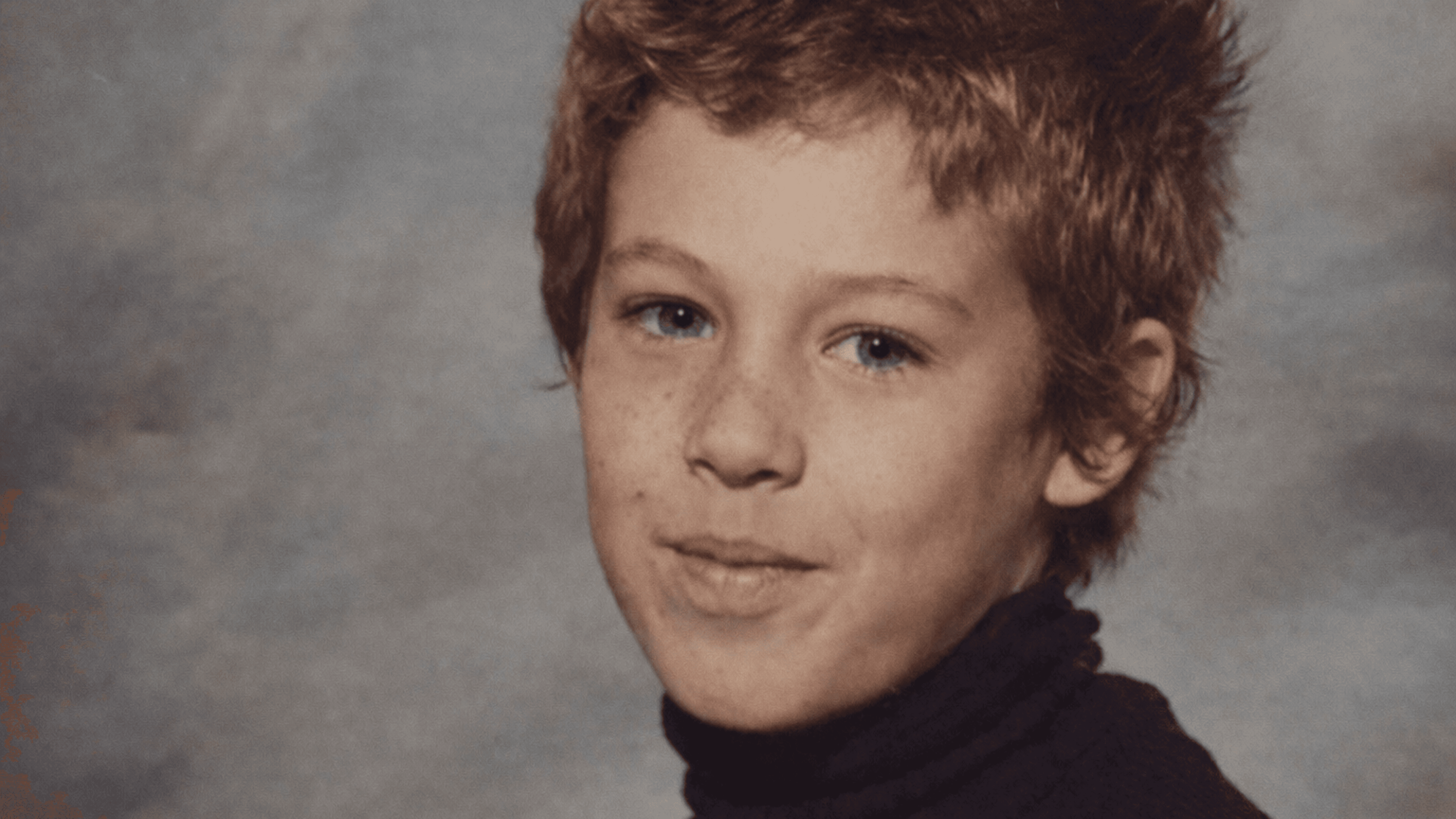
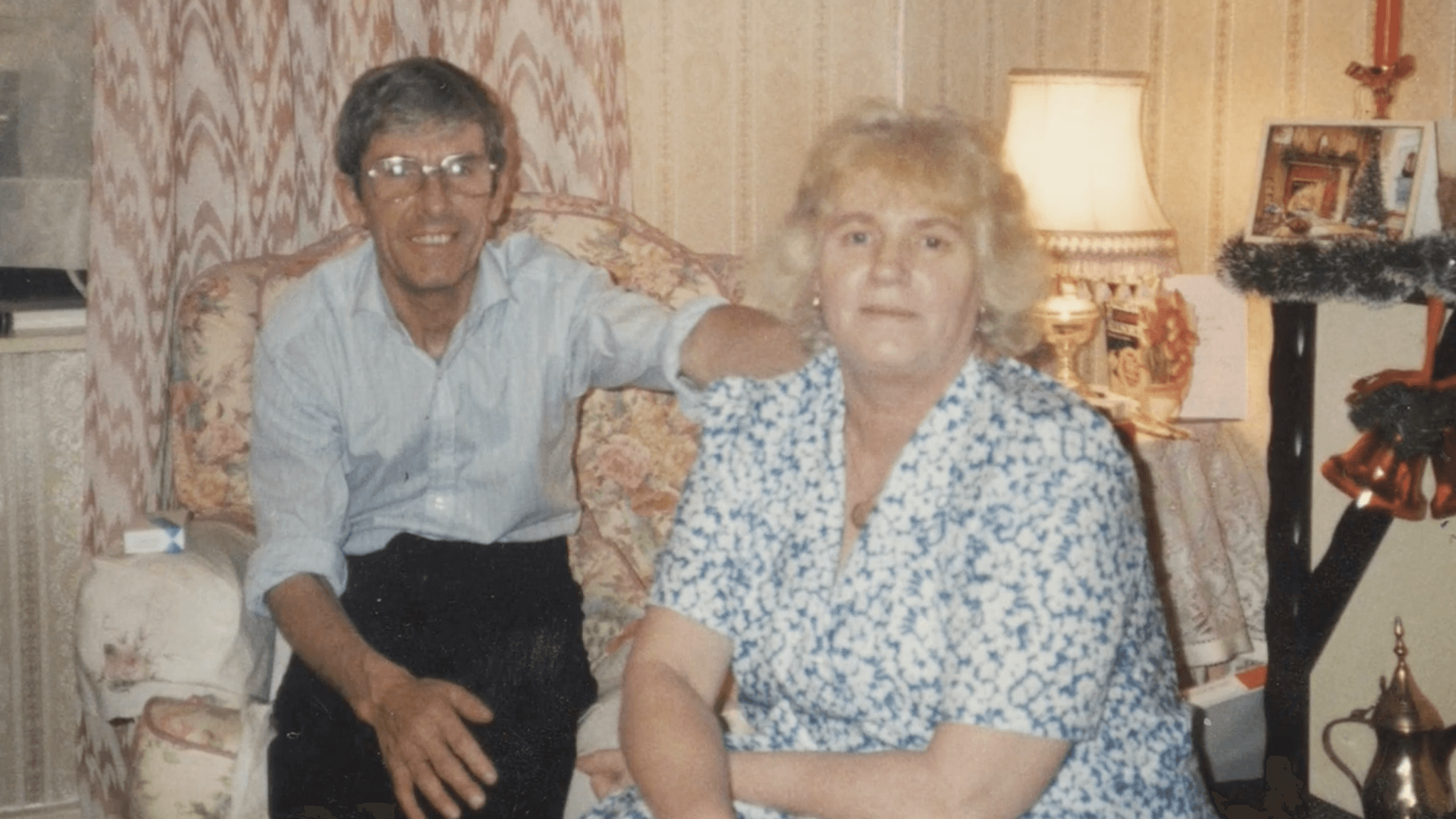
Lee Alexander McQueen was born on 17 March 1969 at Lewisham Hospital in south-east London. He was the youngest of six children—Janet, Gary, Tony, Michael, Patricia, and Lee—and the only one his parents had intentionally planned. His father, Ron, worked as a taxi driver; his mother, Joyce, had been a teacher before becoming a homemaker. The family lived at 43 Shifford Path, Wynell Road, in Forest Hill, a modest council flat where affection and strain existed side by side. Around the time of Lee’s birth, Ron experienced a mental breakdown brought on by overwork, an event that quietly shaped the emotional atmosphere of the household.
From early childhood, Lee displayed a strong imagination and a tendency toward self-direction. Joyce, who shared a particularly close bond with him, encouraged his creativity through drawing and storytelling. These early habits—escaping into imagery, inventing scenes, observing animals and nature—became the foundation for the elaborate and often darker imaginative worlds that would later define his work.
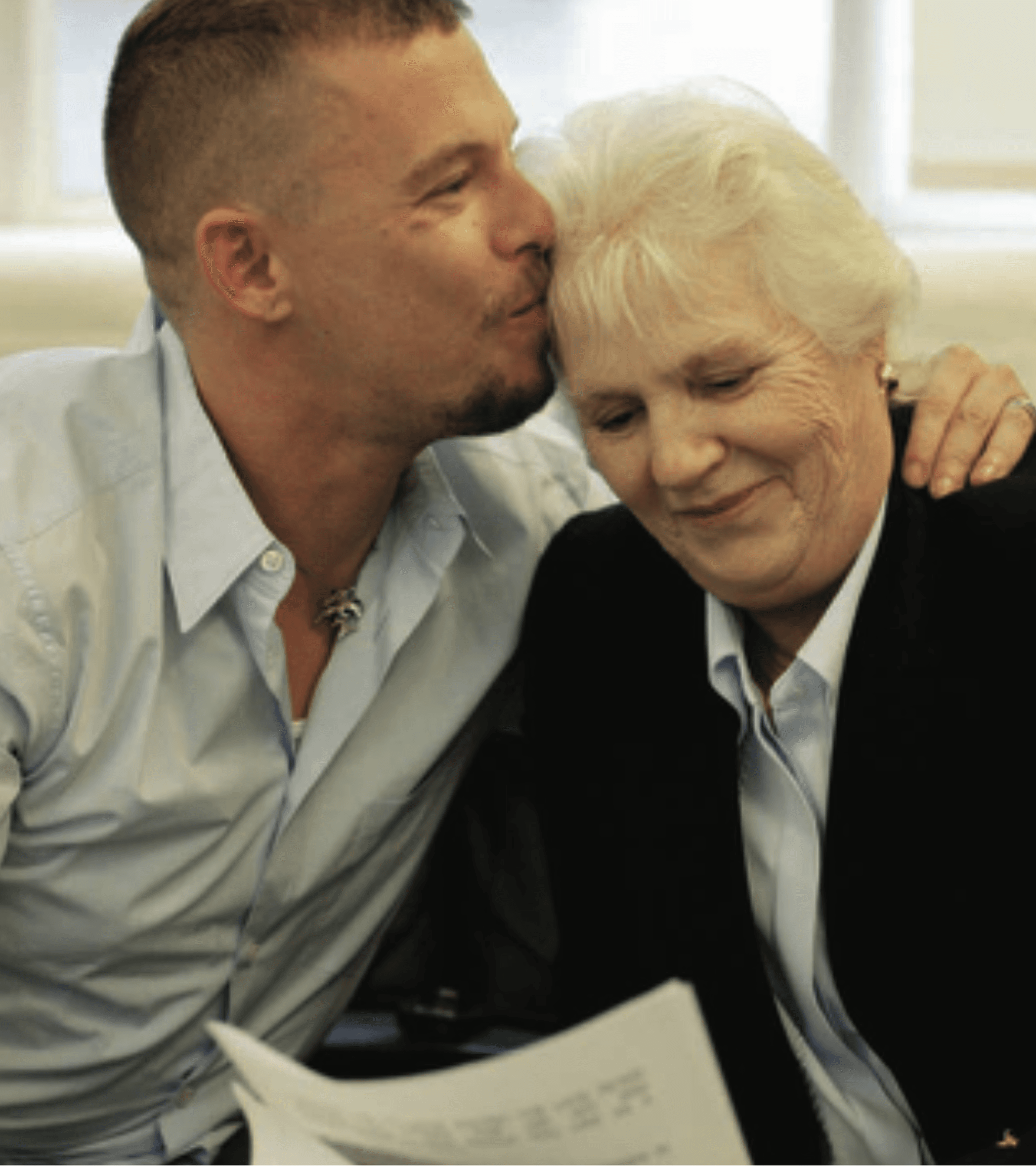
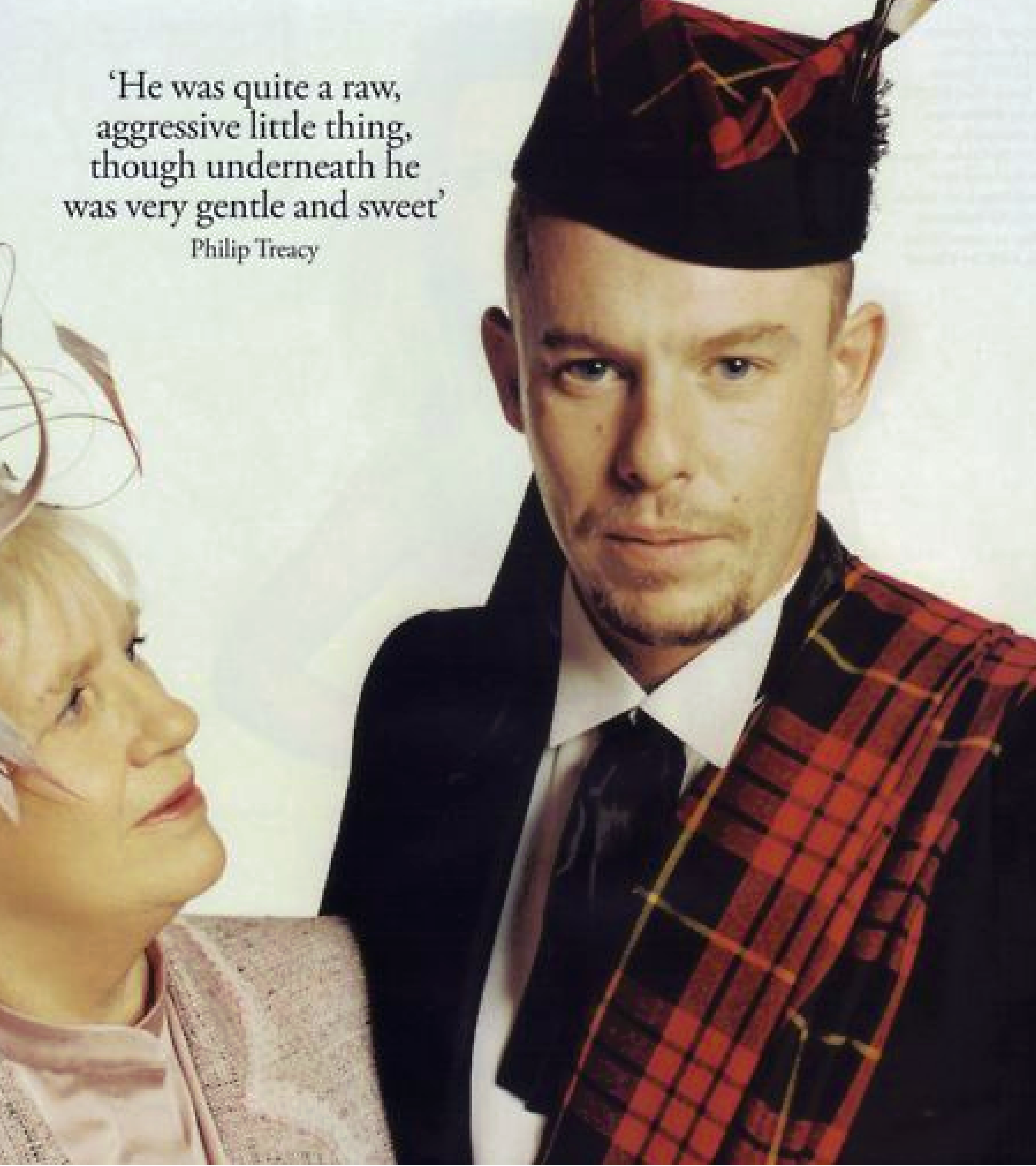
[BBC-01] “Lee had a very close relationship with his mum. He idolized her and she was such a lovely, warm person. If we came around, she would often bring out glasses of orange juice for us. Or if Lee wasn’t here: ‘Oh, he’s popped out. He’ll be back in a minute. Do you want to come in?’ She was lovely. She was lovely to us and I know she was lovely to him.”
Friends from his childhood, including Peter Bowes, remembered him as a distinctive, imaginative boy who spent much of his time sketching.
[BBC-02] “Lee was a character. He was always with a pen and paper. He was always sketching or drawing or coming up with ideas. He did give me a couple, but I know they’ve long gone. I wish I’d kept them. Yeah, he was a very creative person and if he got an idea, he’d become almost obsessed, and then something else would come up just before he’d finished it and he’d go off on another project or another idea.”
Those close to him also noticed the pressures he faced at school. His difference—expressed in small gestures like wearing white frilly socks—made him a target for other children. The experience left a lasting mark.
[BBC-03] “Even back then, Lee was showing signs of being different to other children. He on occasion would wear white frilly socks — what girls would wear — and certainly at school I know that certain characters would be unpleasant to him and used to call him ‘query McQueen.’ He said to me that of all the things at school, that really hurt him.
I think he suffered depression back then. He discussed darker side of things, especially with his drawings. It was like there was something inside of him trying to get out.”
Taken together, these early years present a picture of a child negotiating family strain, schoolyard hostility, and a rapidly forming inner world. What stands out is how naturally he turned inward—toward drawing, imagination, and private invention—as both refuge and raw material. Many of the impulses that would later define his work were already visible: an attraction to the unusual, a sensitivity to emotion and cruelty, and a tendency to express what he could not yet articulate through images.
01.3 Maternal Influence & Childhood
Within the family, Lee often took on the role of caretaker. When his sister Janet—who, like their father, trained as a black cab driver—worked nights, he would babysit her sons, Paul and Gary. After Gary’s father died, these visits took on a particular intensity. Lee arrived with horror films, chased the boys around the house, and invented stories about an old lady living under their bed, laughing in a way Gary later remembered as a loud, almost psychotic laugh.
Alongside this, he was constantly drawing. He filled sketchbooks with cabbages, monsters, fashion figures, birds and nude bodies, both male and female. He liked to “style” the children, attempting even to tame Gary’s hair, which he described as a bird’s nest. Gary felt a natural affinity with him, in part because he also drew and recognised in himself what he called a darker cast of mind.
As a teenager, Lee earned pocket money “by working part-time in a West Ham pie and mash shop,” an early connection with East End working life. It stood in sharp contrast to the more rarefied fashion and cultural spheres he would later move through, and it grounded him in a sense of ordinary, local experience that never completely disappeared from his work.
01.4 Early Drawings
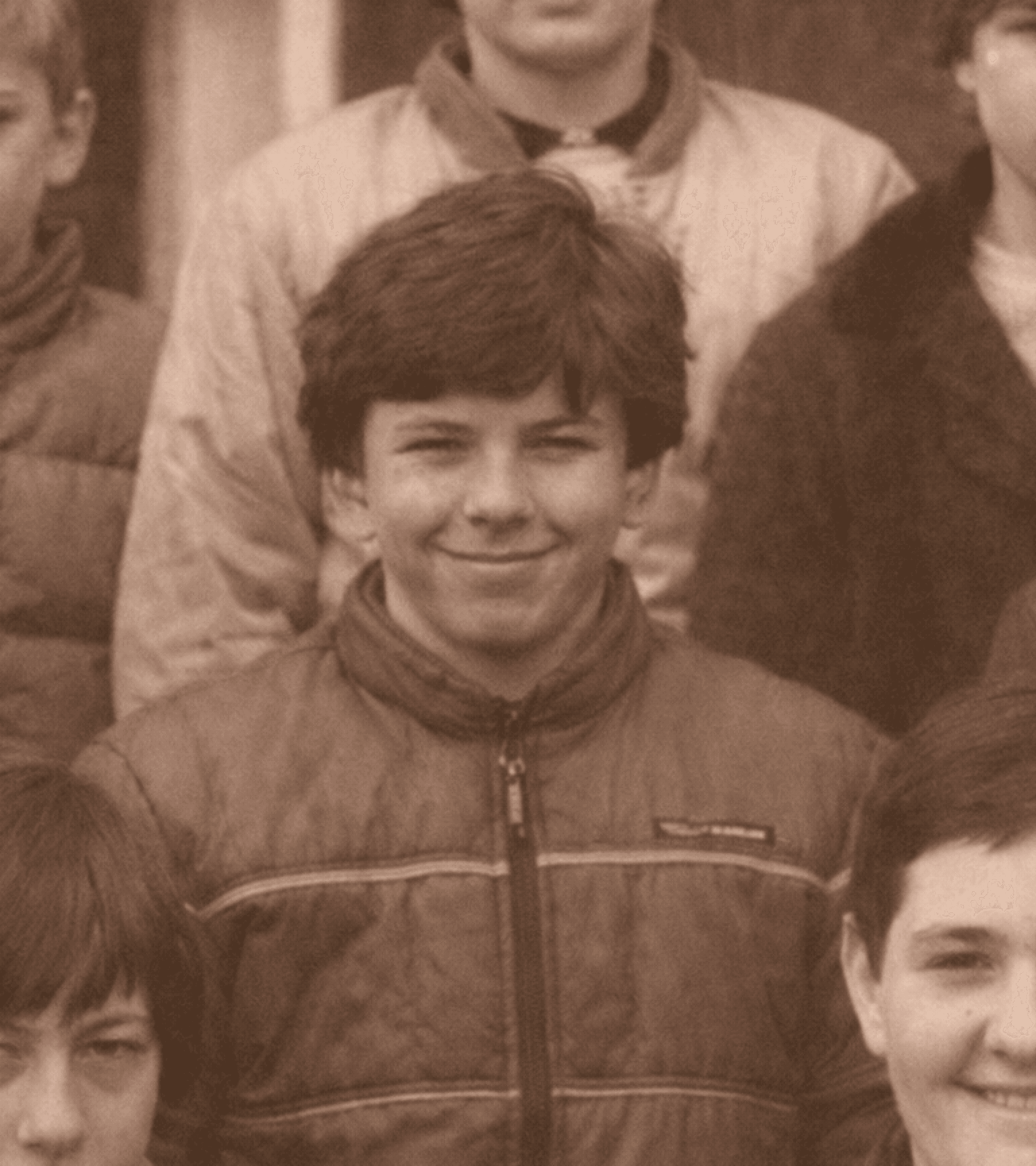
Lee attended Caroline House Primary School and later Rokeby Comprehensive School in Catford. Teachers recognised that he was quick and perceptive, with a notable gift for drawing, even though he was often restless in class and not academically inclined. The consistent thread was his fixation on drawing clothes and human figures, a focus that set him apart from most of his peers.
At the end of his schooling, he encountered the careers office system typical of British secondary schools at the time:
[BBC-04] “When you got to the end of your school, you’d have a careers office and they’d sit you down and you’d answer a few questions and they’d say, ‘Oh, you’re going to be a butcher, off you go.’ Lee didn’t seem to have an idea of where he wanted to go. He knew where he was being pushed — sort of towards the mechanical side, towards motor vehicles and engineering, things like that — but he wasn’t interested.
And it was then when he’d seen the advert for the tailoring and that there was a shortage of apprentices. He sort of mentioned to me, ‘I’m going to look into this.’
Then we go on to his art. We’ve got an A — excellent. ‘Lee has artistic ability and always works hard.’ No, he was different right from the very beginning.”
An O-Level was a British school examination usually taken at around sixteen, marking completion of basic secondary education in a given subject. Students with O-Levels could move on to A-Levels or directly into work and vocational training. For Lee, this system helped to define the narrow, practical options officially presented to him—mechanical or trade-based work—against which his interest in drawing and clothing quietly pushed.
01.5 West Ham Technical College
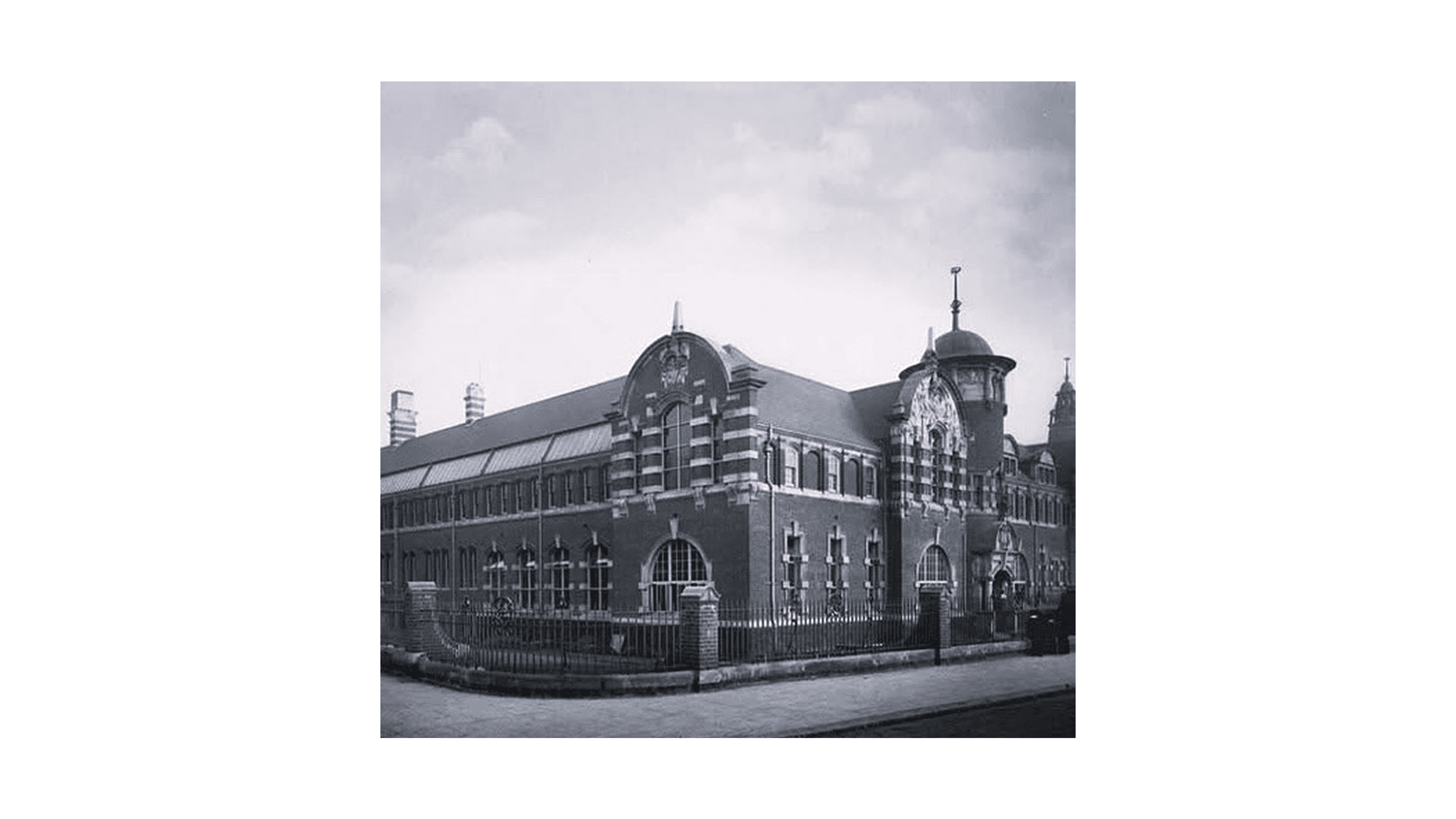
In September 1985, he enrolled in an evening art class at West Ham Technical College in Stratford. He later described finding himself surrounded mainly by housewives and people “passing the time,” a setting that did not match his ambitions or sense of urgency. According to his sister Janet, the course included dressmaking, and by the end of the year he had produced several wearable garments, including skirts for her. One black tube skirt was so tight she could not lift her leg to climb a step; another came apart, a result that frustrated him deeply. Even at this stage, he held himself to a high standard and was angered when the execution did not match the image in his mind.
These years show a pattern forming: a young man steered by institutions toward conventional paths, quietly insisting on a different direction, using basic courses and evening classes as stepping stones toward something he could not yet fully define.
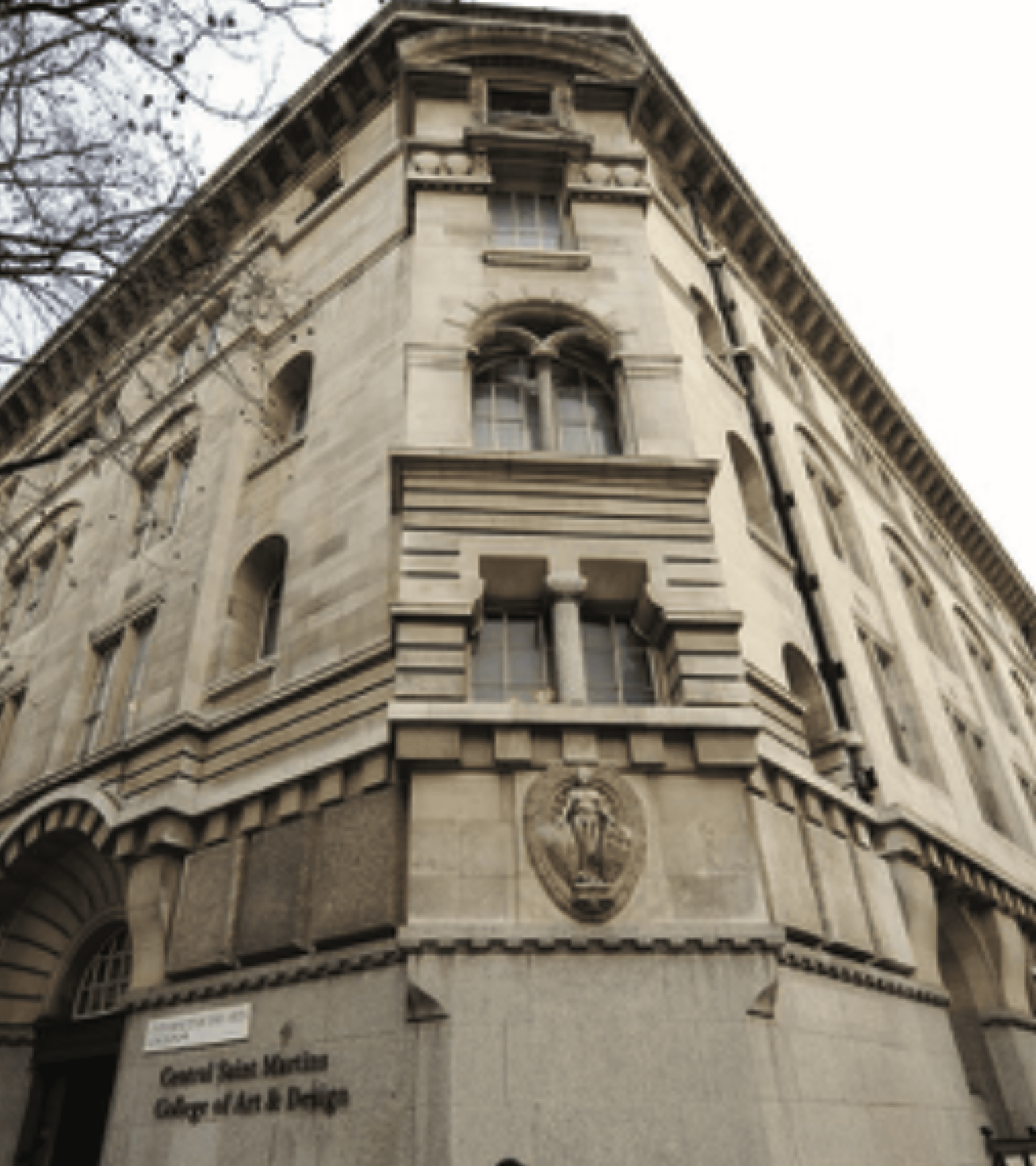
02.1 SAVILE ROW
02.2 Anderson & Sheppard
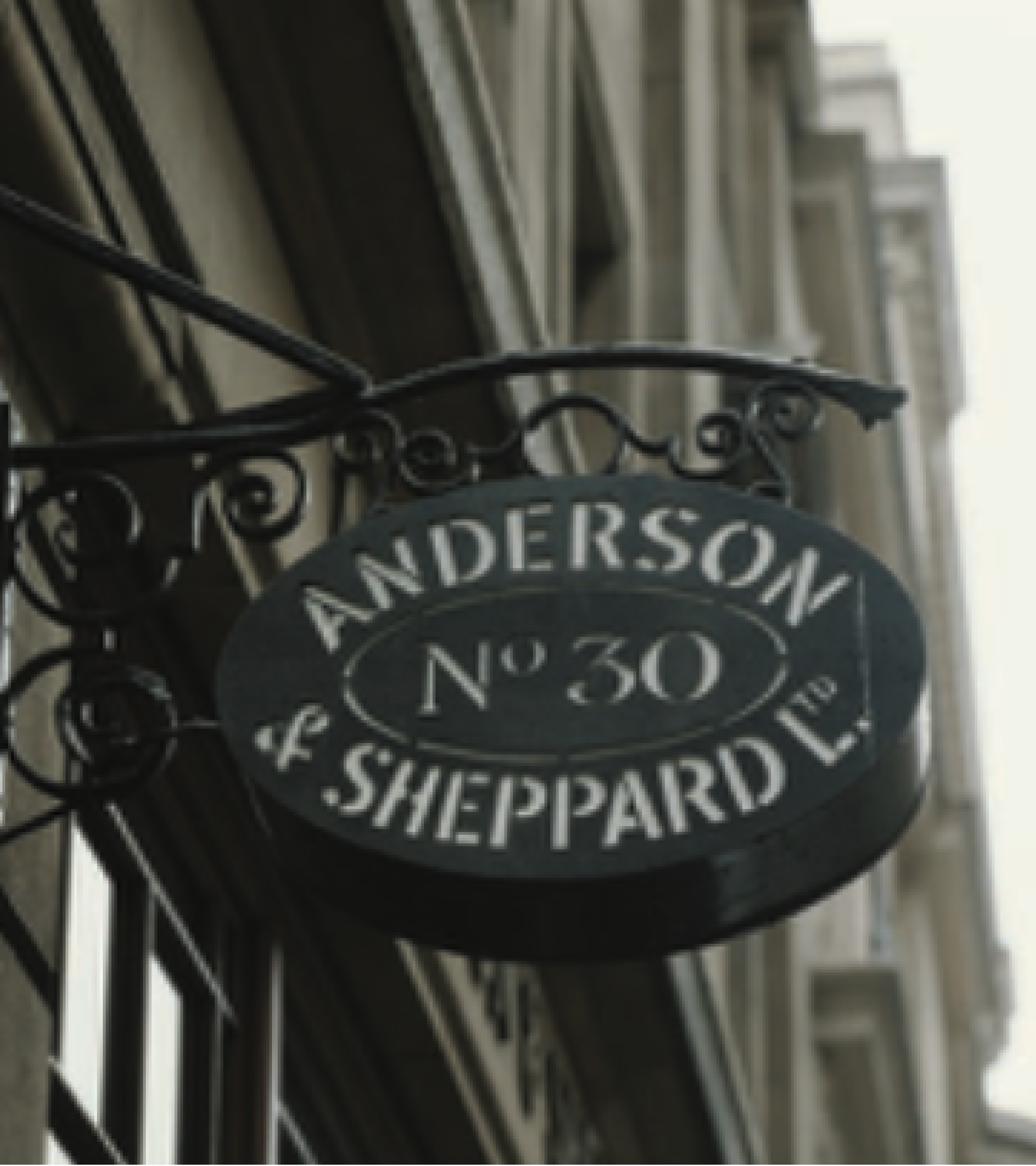
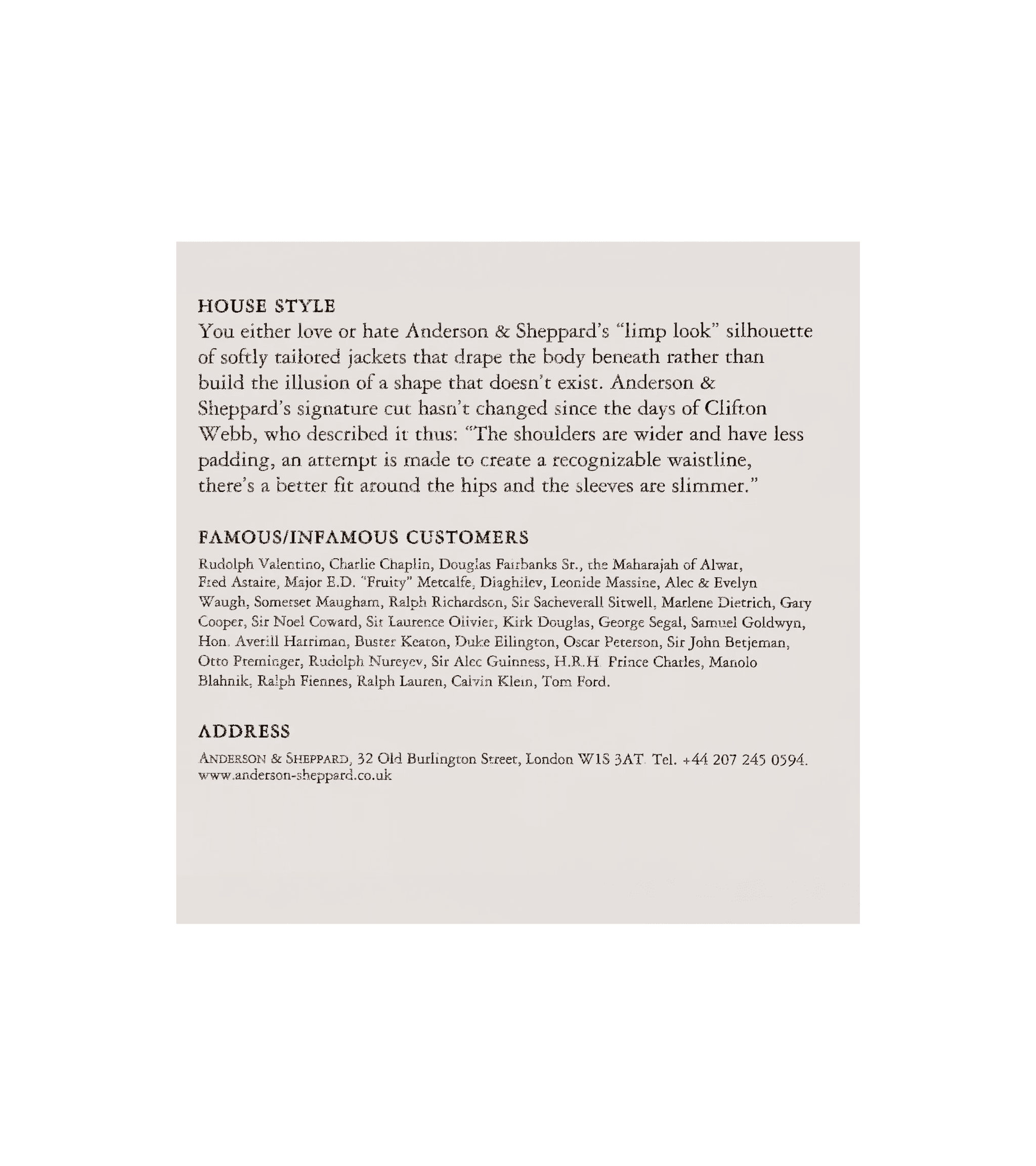
In 1986, after leaving school with one O-Level in Art, Lee began an apprenticeship at Anderson & Sheppard, a traditional men’s tailor on Savile Row. It was a highly formal, conservative environment, and yet it became the place where he first learned to treat clothing as a way of capturing real life rather than simply reproducing convention. Years later, he described his approach in explicitly street-level terms:
[BBC-05] “I depict real life in my clothes. I come… it sounds naff, but I do come from the street and I show you exactly the way it is. I wanted to pull lapels around the back of the necks, up the ass and everywhere else. I was good at tailoring the jacket. I was quick at learning and quicker learning trousers. I wanted to learn everything. I knew I couldn’t survive in a place like that for the rest of my life — cluttered in a small workshop, sitting on a bench, padding lapels. God, it was so boring. A single-breasted jacket is a single-breasted jacket; it doesn’t move on. A double-breasted is a double-breasted. No, I mean, it’s like a jacket’s a jacket — but I wanted to pull lapels around the back of their necks, up the ass and everywhere else. I just wanted that extra “oh.” I wanted to get people, you know, goosebumps. I wanted a big excitement in the street.”
According to Andrew Wilson’s Blood Beneath the Skin, the idea of applying to Savile Row came not from a long-term plan but from a television programme. One afternoon in 1986, while at home on Biggerstaff Road, Lee saw a report about how the art of tailoring was in danger of dying out, with a shortage of apprentices on the Row. His mother encouraged him to consider it as a practical route into the world he had always talked about.
[BBC-07] Speaking in 1997, Joyce recalled, “He always wanted to be a designer, he always has, [but] when he left school he wasn’t sure what to do. Quite a few of the family were involved in tailoring so I just said to him, ‘You know, why don’t you go and try?’”
Prompted by her, Lee took the tube to Bond Street, walked through Mayfair and arrived at 30 Savile Row, Anderson & Sheppard’s headquarters.
[BBC-08] “I hardly had any qualifications when I left school, so I thought the best way to do it was to learn the construction of clothes properly and go from there,” he said.
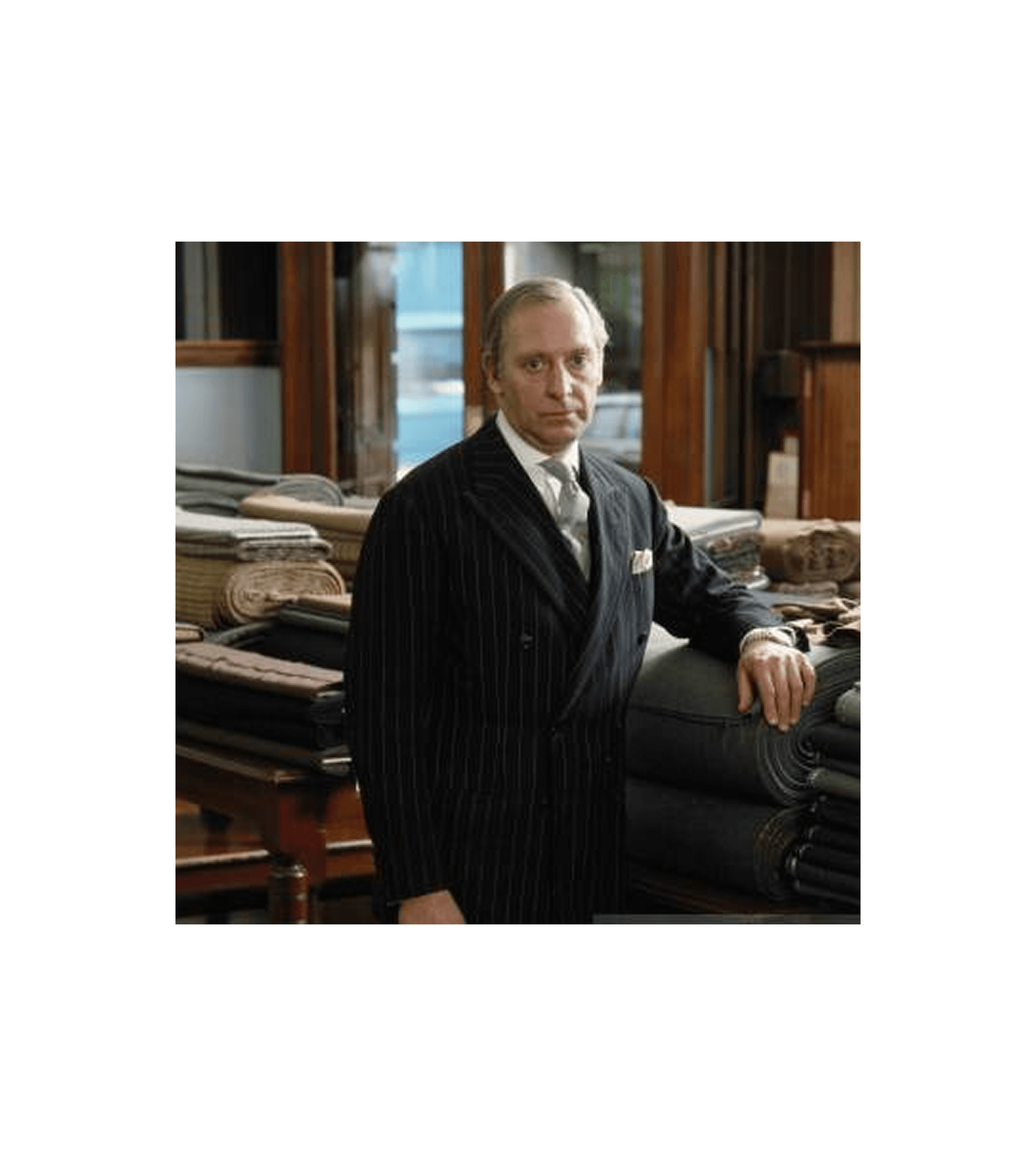
Dressed in jeans and a baggy top and looking “more than a little dishevelled,” he walked into the shop and spoke to John Hitchcock, then a cutter and later managing director, who noted that Lee “wasn’t a timid person.” Standing by a long table piled with expensive tweeds, Lee said he wanted to become an apprentice. Hitchcock called down the head salesman, Norman Halsey, who interviewed him and offered him the position.

02.3 Tailoring Discipline
The job was poorly paid—only a few thousand pounds a year, roughly the cost of three Anderson & Sheppard suits—but the training was rigorous. Hitchcock described Lee as a “blank canvas” when he arrived. He was assigned to Cornelius “Con” O’Callaghan, a “master tailor” regarded as one of the Row’s finest makers of coats (the tailors’ term for jackets). The hours were fixed: he was expected to arrive at 8.30 a.m. and work until 5 p.m. On his first day, he was given a thimble, a scrap of fabric and a length of thread and shown how to pad. Apprentices repeated this padding stitch thousands of times until it became second nature, then gradually progressed to inside padding, canvassing, pockets and flaps. It typically took two years to learn even these ostensibly “simple” tasks.
Lee later remembered this period as almost Dickensian: sitting cross-legged on a bench, padding lapels and sewing all day. The workroom upstairs felt laddish and often homophobic to him, in contrast to the more openly gay shop floor. As he was coming to terms with his sexuality between sixteen and eighteen, he felt surrounded by heterosexual men, some of whom made daily remarks. He said he kept quiet because he had “quite a big mouth” and knew that answering back might escalate conflict. Hitchcock later insisted that Lee’s sexuality was known but not an issue—“there are quite a few in the trade”—yet from Lee’s perspective the environment felt hostile.
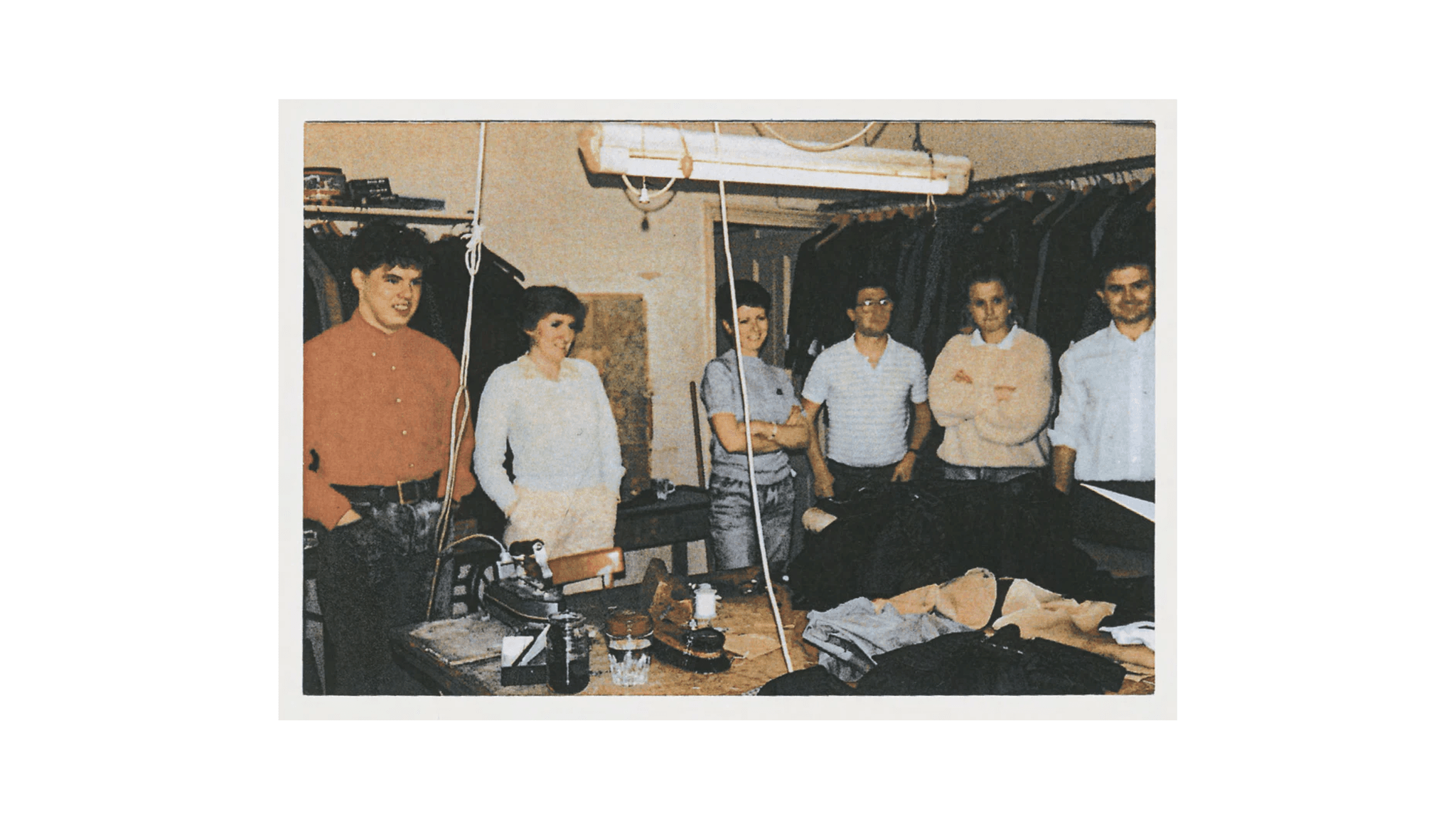
Hitchcock remembered his distinctive dress: baggy jeans, heavy black or grey roll-neck sweaters, checked jackets and Doc Martens. Photographs from the time show him in a red shirt buttoned to the neck and snow-washed jeans cinched with a belt. Some colleagues found him overly intense, and he did not always get on with the other apprentices. The workshop listened to Radio 2, while Lee privately preferred house and rave music, which he gradually introduced to co-workers, another small sign of the difference between his sensibility and the Row’s conservatism.
At Anderson & Sheppard, every apprentice worked towards completing a “forward,” a nearly finished jacket ready for a first fitting. Hitchcock later recounted a notorious forward attributed to Lee, which he unpicked to find “nothing inside,” a story that became linked to McQueen’s later claim that he had sewn “I am a c*nt” into Prince Charles’s jacket. Hitchcock believed McQueen’s version of events—whatever its factual basis—was crafted to generate publicity and considered it damaging to the firm’s reputation. Others, however, saw the tale as consistent with Lee’s rebellious streak and his willingness to disrupt established hierarchies.
After roughly two years, Lee began arriving late or missing days altogether, which put the workshop’s schedule behind. When Con asked Hitchcock to speak to him about it, Lee responded defensively and ultimately walked out rather than being formally dismissed. The staff later learned that his mother had been ill at the time. Even so, the abrupt departure left a degree of resentment. When journalist Lynn Barber contacted Anderson & Sheppard in 1996, Norman Halsey claimed that nobody remembered McQueen, suggested he may have worked there only “a few weeks,” and cited an army expression whose first syllable was “bull.”
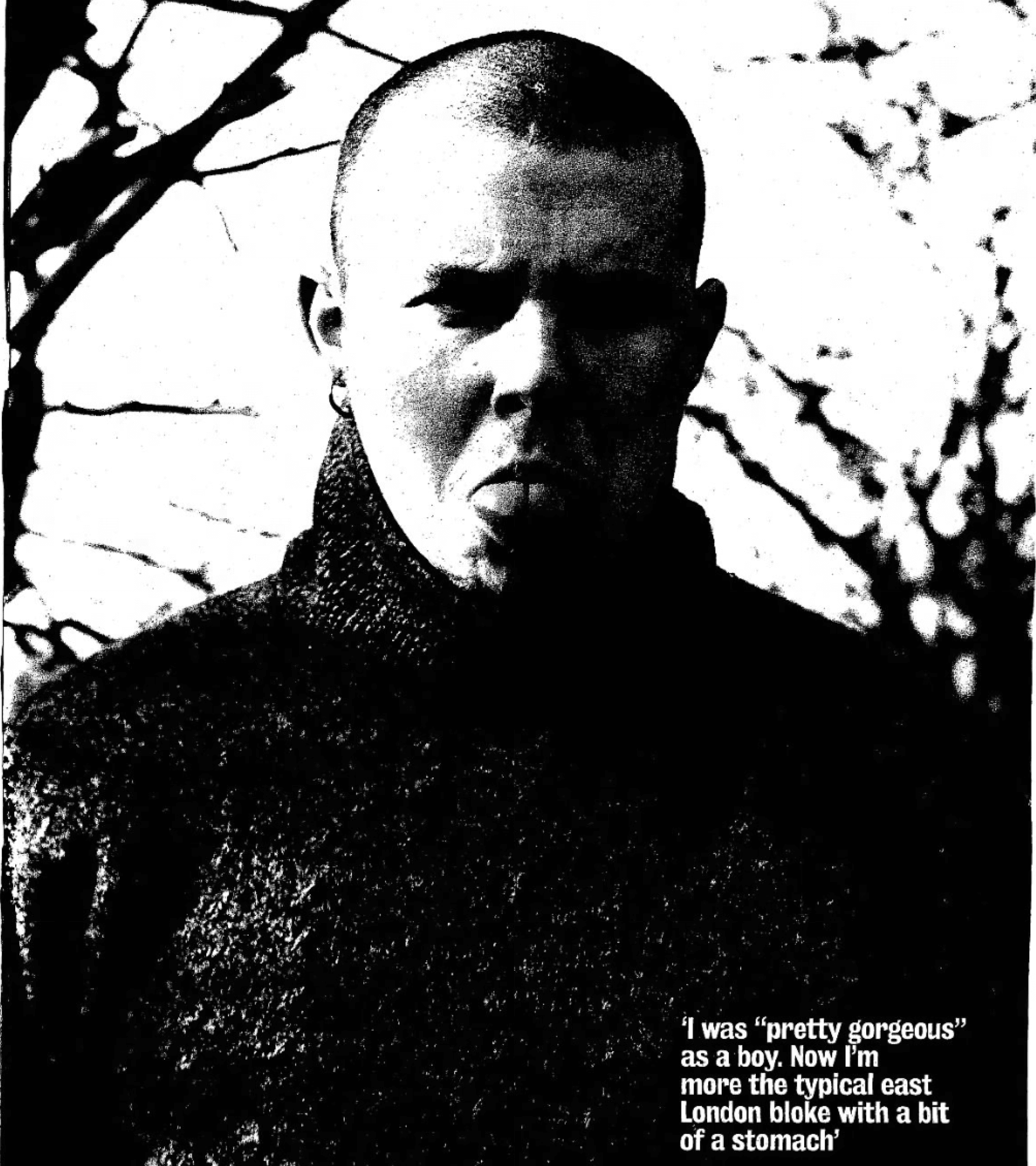
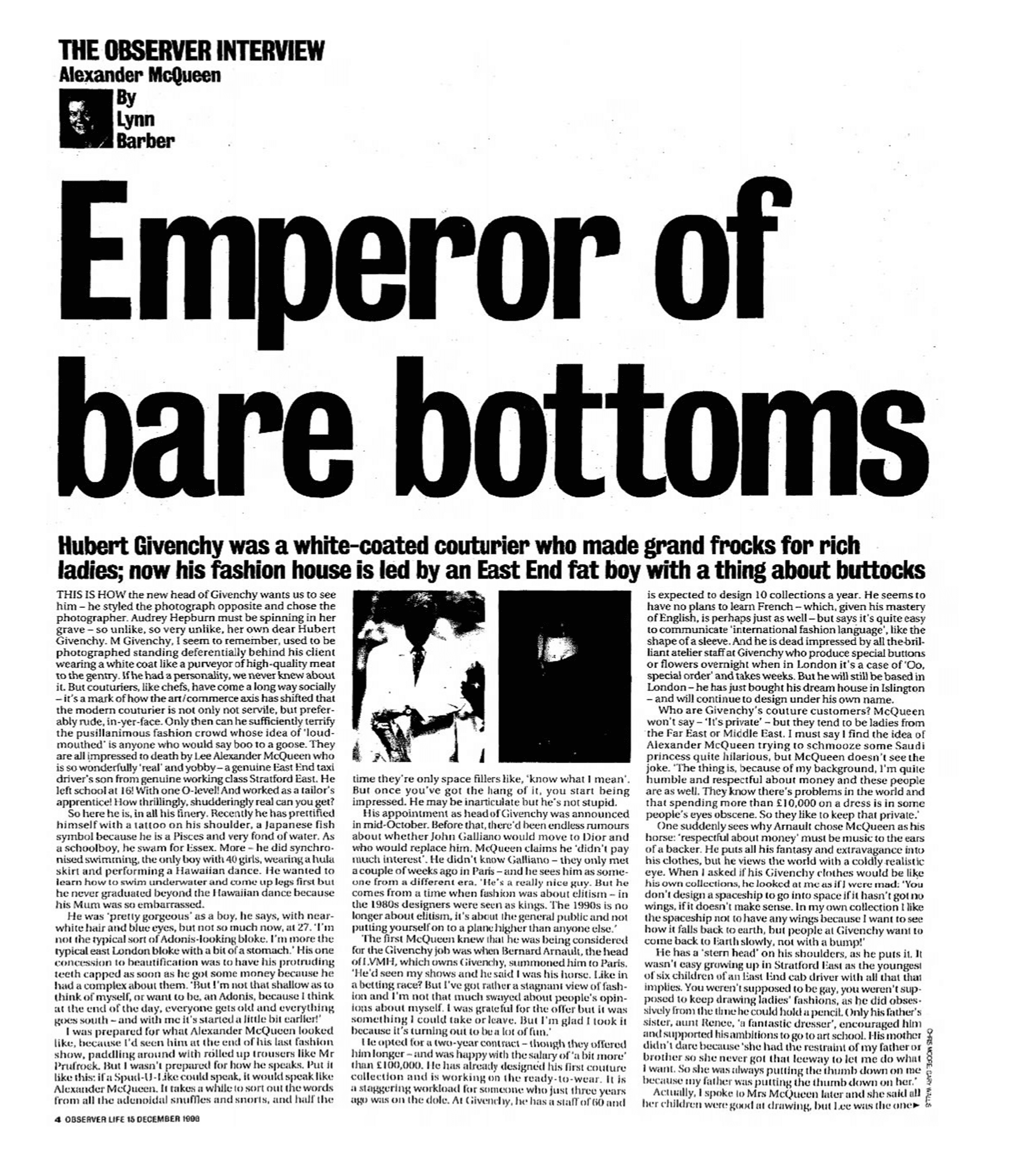
This phase on Savile Row gave McQueen a deep technical foundation—hours of repetitive training, precise standards and strict routines—but also confirmed his sense that he wanted something more experimental than the narrow definitions of tailoring he encountered there.
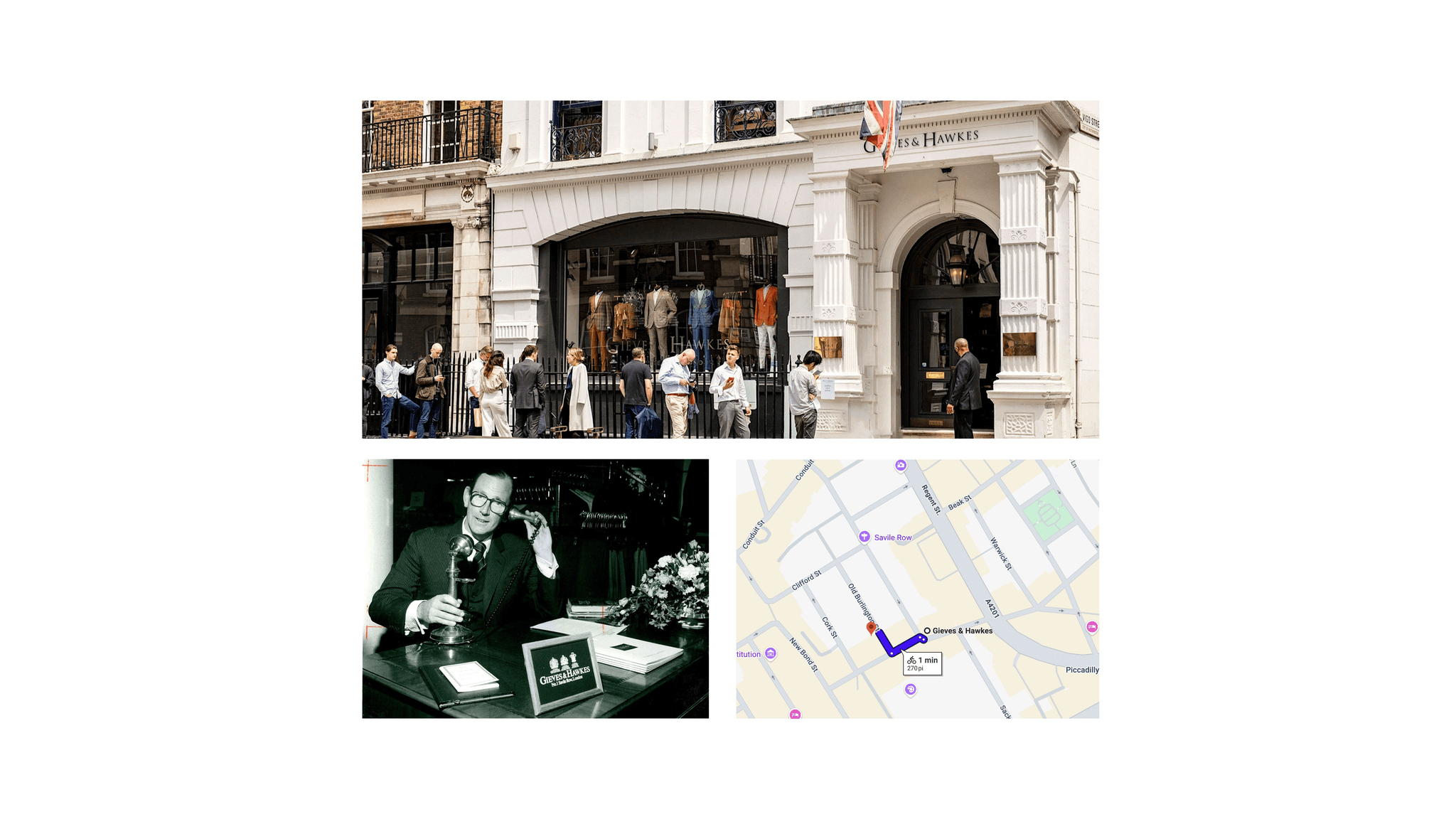
02.4 Gieves & Hawkes
After leaving Anderson & Sheppard, Lee moved further along Savile Row to Gieves & Hawkes. He started there as a tailoring apprentice on 11 January 1988 and remained just over a year. In 1997, Robert Gieve recalled Lee’s persistent curiosity about cut: he constantly asked why a seam or dart should be placed in one position rather than another to shape the chest or waist. It was a technical insistence that showed how seriously he took construction, even within the constraints of traditional menswear.
Lee later said that continuing homophobia at the company prompted him to confront management. When nothing changed, he chose to leave in March 1989. The pattern that had begun at Anderson & Sheppard repeated itself here: he absorbed as much technical knowledge as he could, but the environment confirmed his sense that he did not quite belong on the Row as it was then configured.
02.5 Berman & Nathan
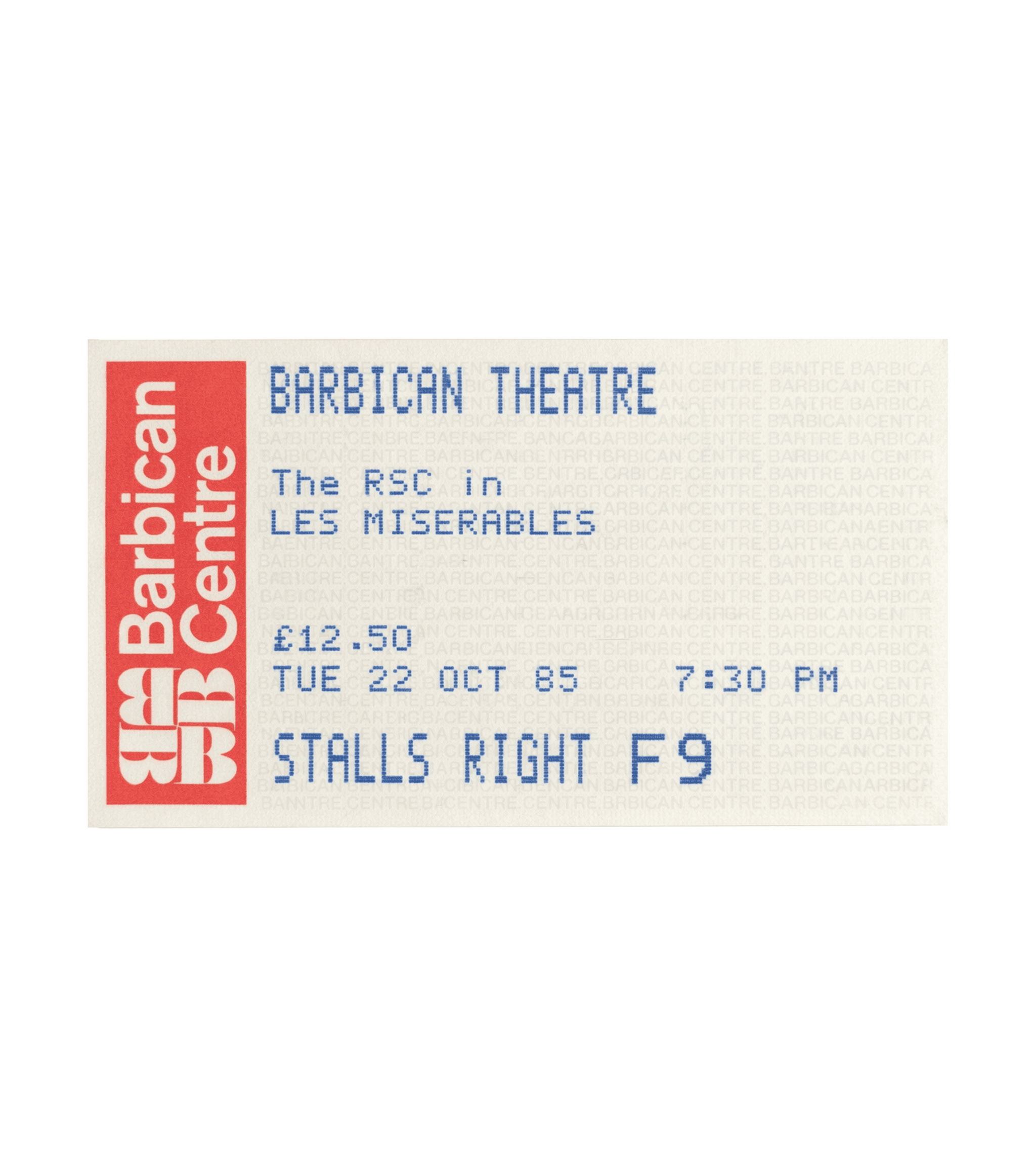
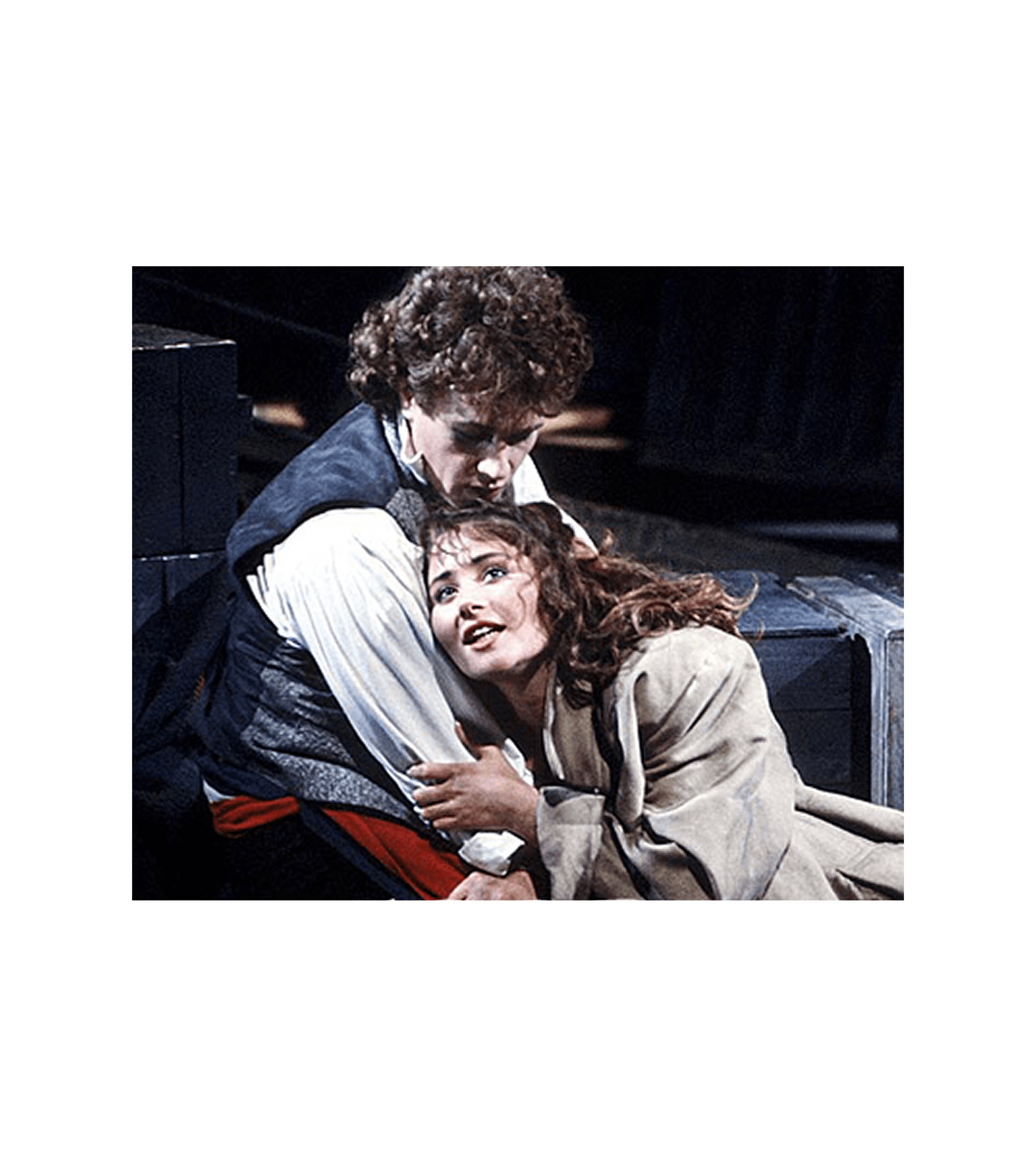
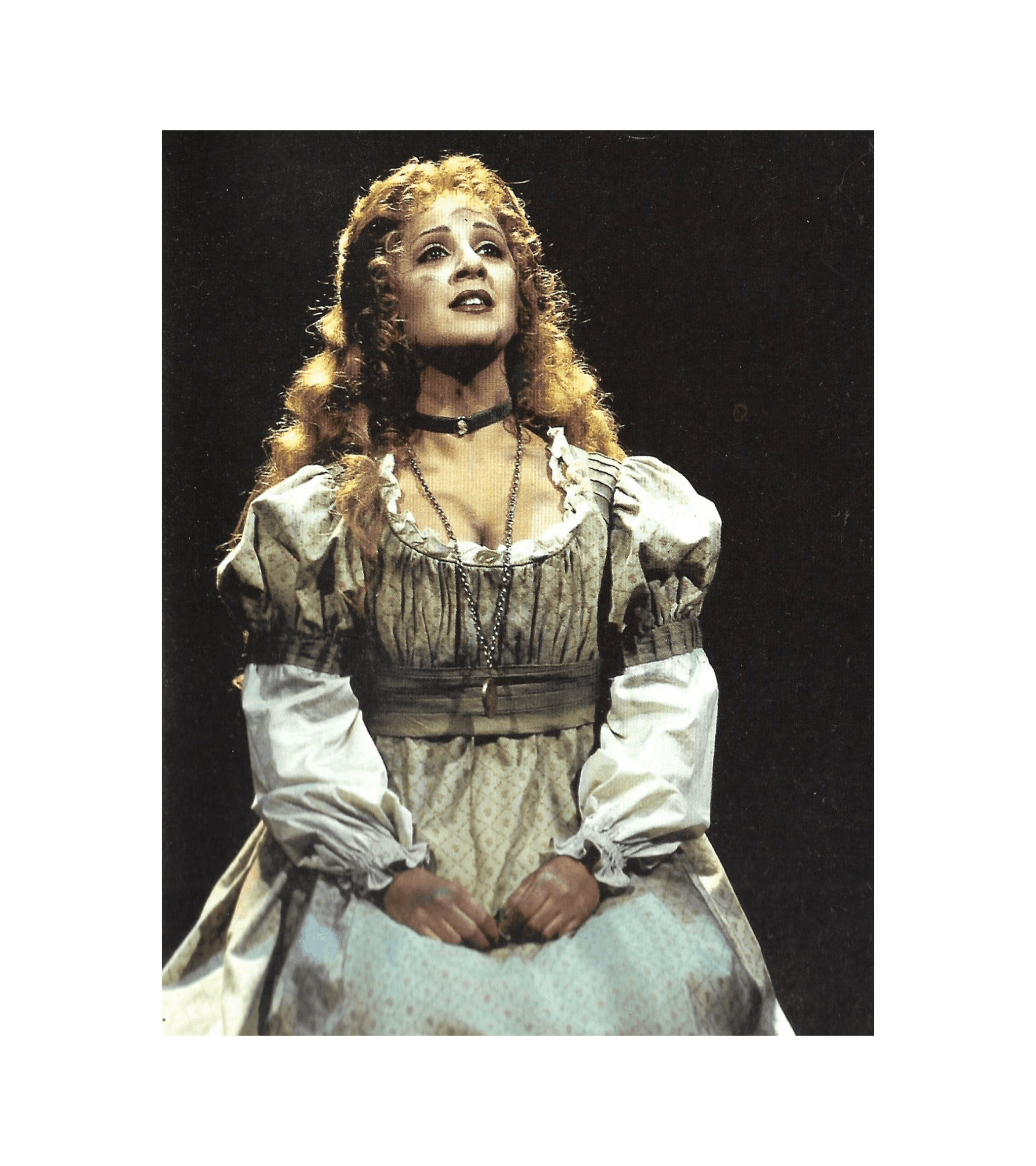
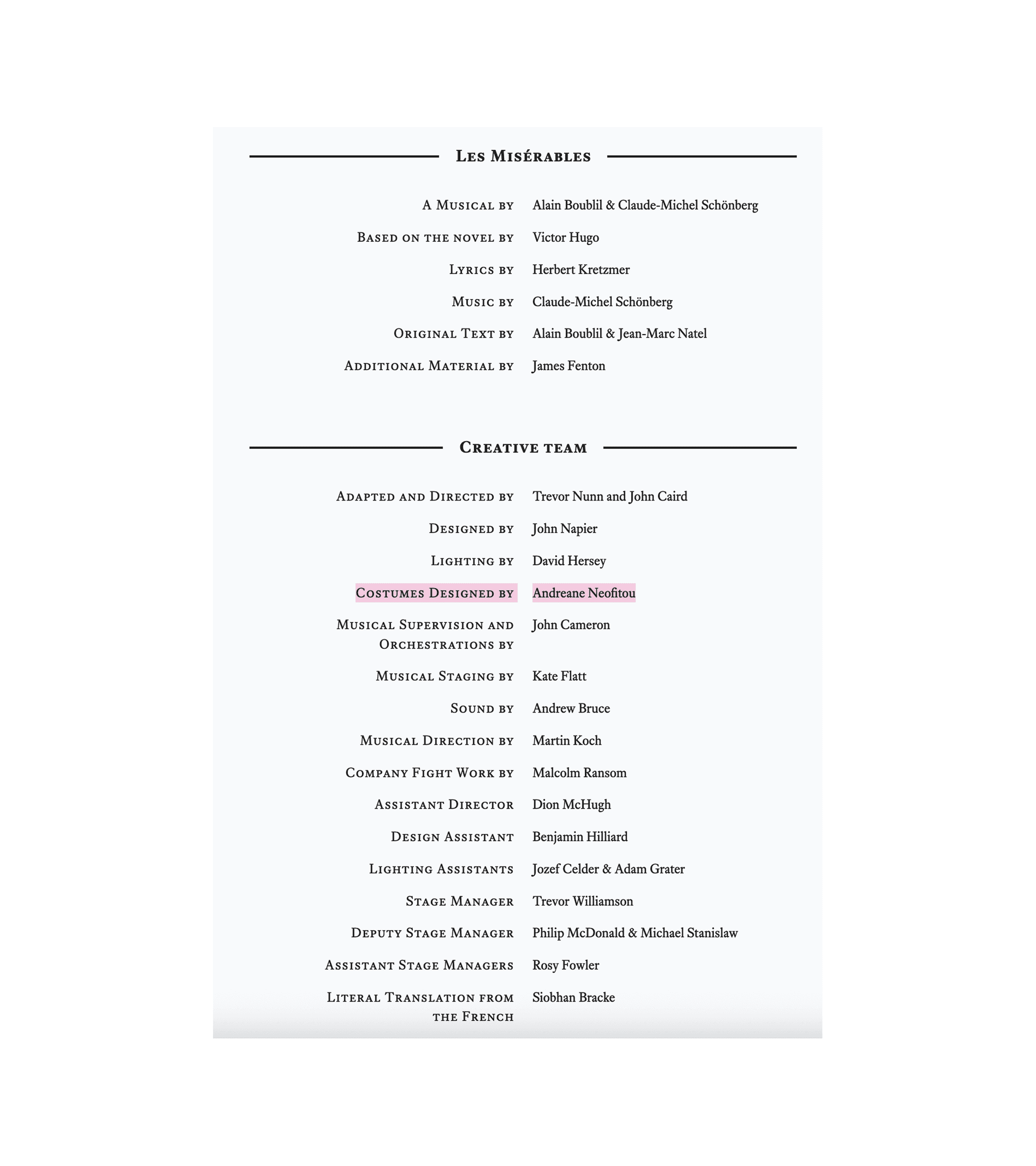
After Gieves & Hawkes, he freelanced for theatrical costumiers Berman & Nathan, working on large-scale productions such as Les Misérables and Miss Saigon. Andrew Groves, who would later become a close collaborator, was working on props while Lee worked on costumes; they later realised their time there had overlapped.
Lee later claimed to dislike the experience, saying he hated the theatre and felt surrounded by “complete queens,” but Groves took a different view. He believed that the operatic scale and production values of those shows helped to shape Lee’s conviction that fashion presentations should function as full-scale spectacles rather than straightforward runway walks. The theatre may not have appealed to him personally, but it offered a working model of staging, narrative and impact that he would quietly adapt.
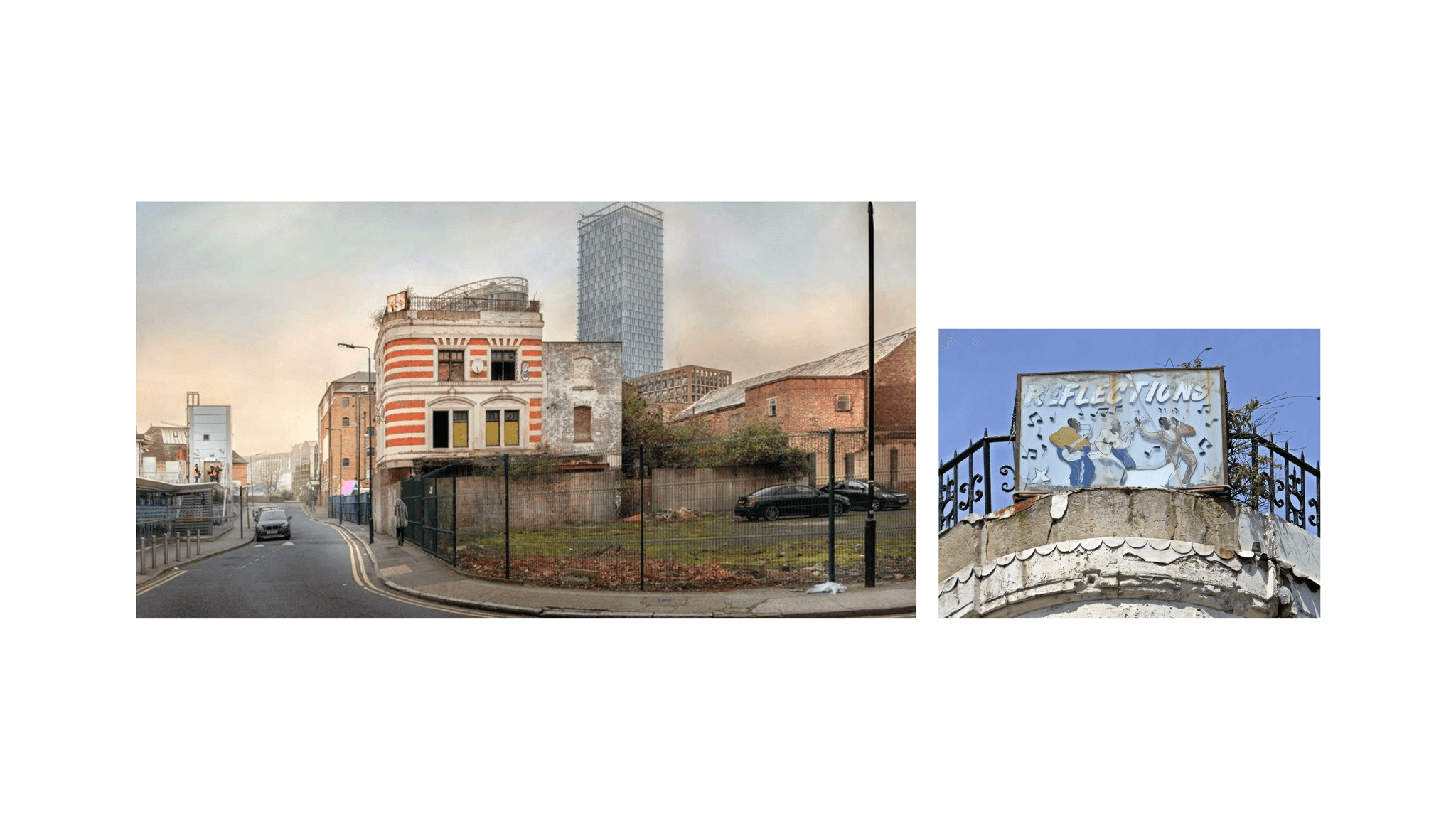
To supplement his income, Lee also worked at Reflections, a pub opposite his old school in Stratford. By that time the pub had a reputation as one of the roughest in the East End and was a known haunt of the Inter City Firm. It had once belonged to the Kray twins and later reopened as a mixed/gay venue.
Archie Reed, who worked there, remembered locking the doors at night and feeling uneasy about the violence, sex and crime that could erupt inside. Lee collected glasses with his eyes down and told Archie he preferred not to make direct eye contact because he could “see everything that was going on without looking.” He said he was fascinated by the fluidity of desire in the bar—men kissing, women kissing, men and women together—and by the level of criminal activity and fighting.
In a relatively short span, McQueen was moving between three very different environments: a heritage tailoring house, the constructed fantasy of the theatre, and a volatile East End pub. Together, they exposed him to discipline, spectacle and the extremes of human behaviour—elements that would later reappear, in altered form, in his shows and collections.
03.1 ENTERING FASHION
03.2 Experimental Cutting & Koji Tatsuno
After reading a magazine article about Koji Tatsuno, a Tokyo-born, London-based designer, Lee decided to approach him directly. He went to Tatsuno’s studio uninvited and asked for a job. He arrived in tapered trousers, a leather jacket and a piece of satin tied around his neck, later saying that he looked “a complete freak.”
Tatsuno’s work, which at the time was backed by Yohji Yamamoto, was known for transforming flat fabric into sculptural, three-dimensional garments. He worked largely by instinct and rejected conventional flat pattern cutting in favour of spontaneous, experimental construction. For someone trained on the strict geometry of Savile Row, this represented a very different way of thinking about clothing.
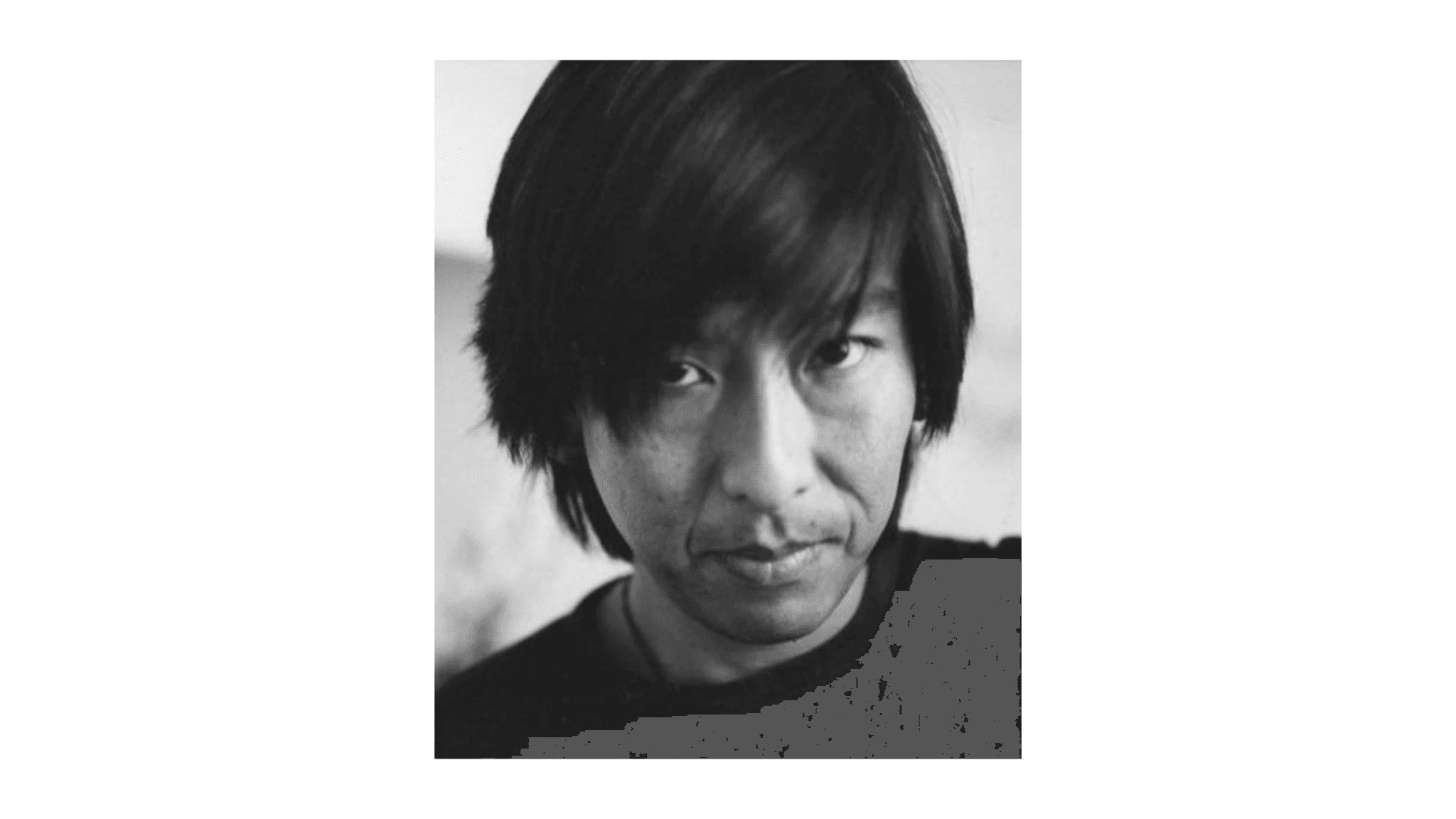
Tatsuno hired Lee as an intern for under a year. In the Mount Street studio in Mayfair, Lee learned to cut without a pattern, working directly on the form. Tatsuno recalled that they never discussed trends; instead, they focused on how to push tailoring beyond its traditional limits, a line of questioning that interested both of them.
His first impression of Lee was that he was “a bit weird,” drawn to what Tatsuno described as the dark side of beauty—an energy he recognised in himself. The time with Tatsuno allowed McQueen to combine his technical precision with a looser, more intuitive approach to form, extending the vocabulary he had acquired on Savile Row into something more experimental and personally expressive.
03.3 Red or Dear & John McKitterick
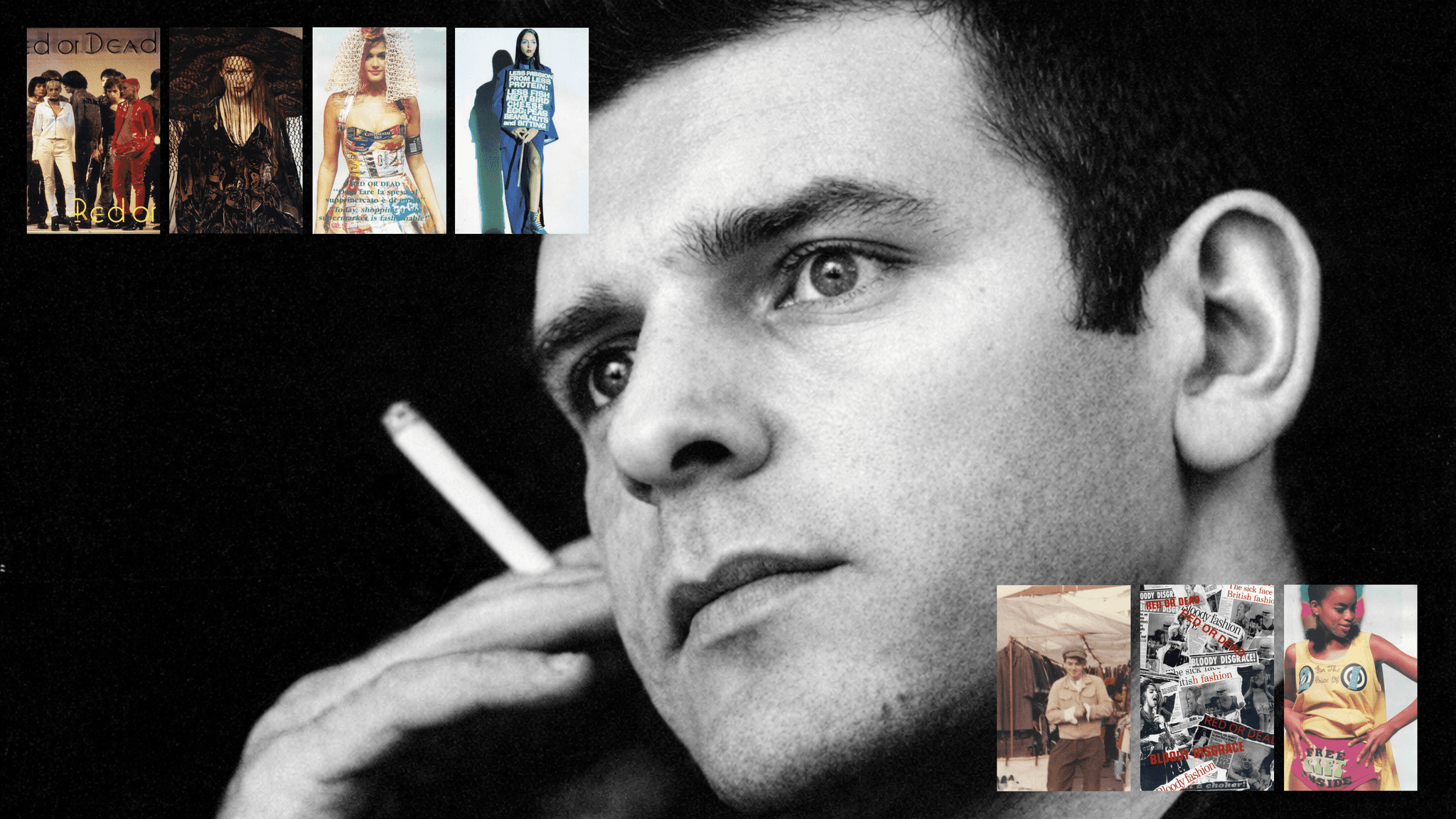
When Tatsuno’s business went bankrupt in 1989, Lee needed new work. A colleague introduced him to John McKitterick, head designer at Red or Dead, the street fashion label founded by Wayne and Gerardine Hemingway. McKitterick later remembered his first impression of Lee as unassuming, slightly scruffy and, at a glance, not particularly interested in fashion. In the studio at Wembley, however, it became immediately clear that he could sew and cut to a very high standard, and that he was organised and punctual in his approach.
Although shy and not especially involved in the London nightlife that surrounded parts of the design team, he established himself, in McKitterick’s words, as “a little worker bee,” someone who completed his tasks with quiet precision.
At Red or Dead, Lee contributed to several collections, including Charlie Spirograph (Autumn/Winter 1989), Spacebaby (Spring/Summer 1990) and We Love Animals (Autumn/Winter 1990). As he became more familiar with the design process, he began asking McKitterick increasingly detailed questions about construction and specific design decisions. McKitterick felt that these questions reflected a shift in Lee’s thinking: he was beginning to see himself not just as a seamstress or pattern cutter, but as someone who wanted to enter the industry as a designer in his own right.
03.4 London Departure
Drawing on his own experience, McKitterick suggested that Italy—then a central hub for sportswear and menswear—would be a good place for Lee to take the next step in his career. The idea appealed to him immediately. Lee wanted to leave at once, but McKitterick advised him to wait until after the fashion shows had finished, and then gave him a list of editors, agencies and designers he could contact.
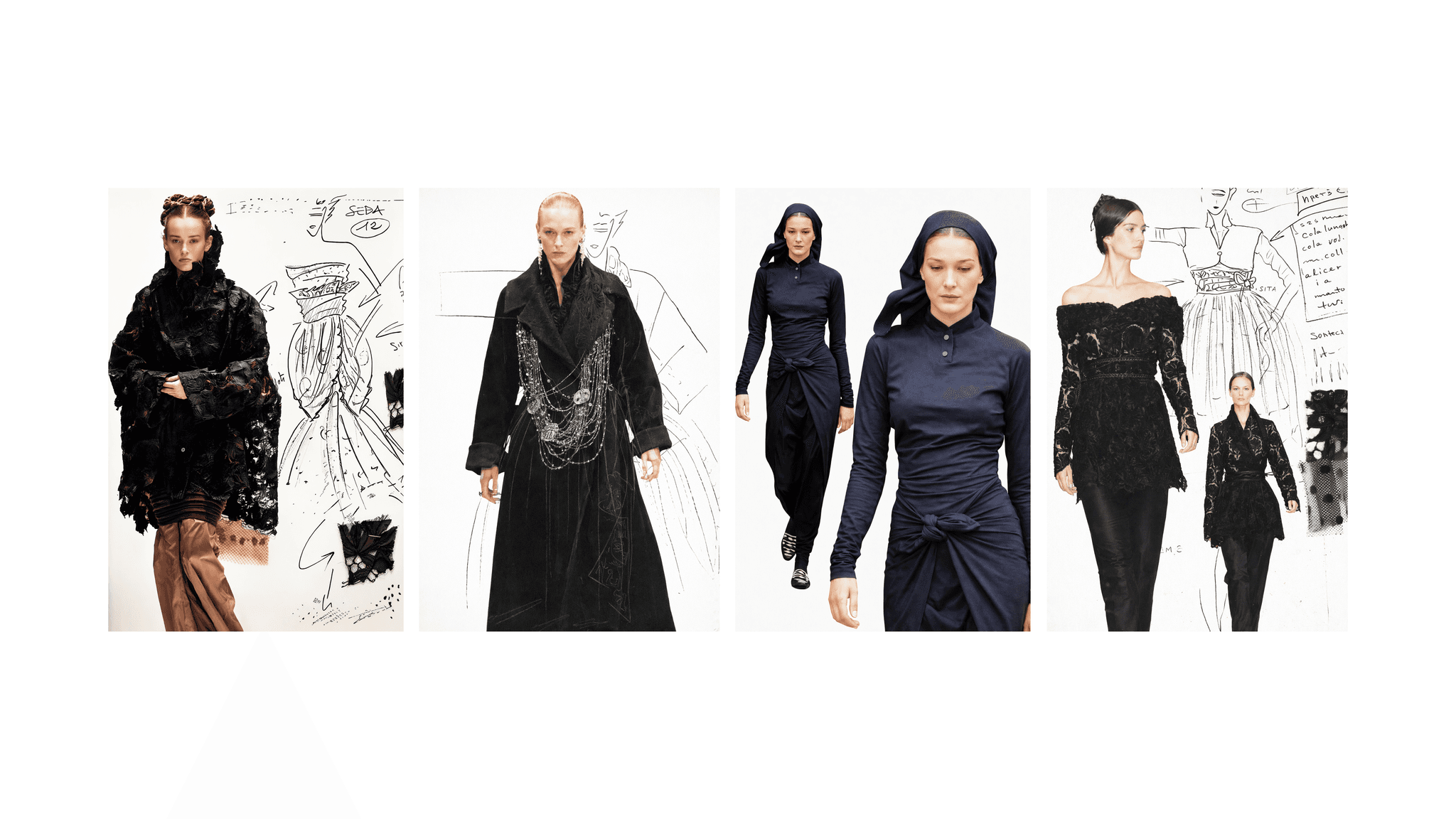
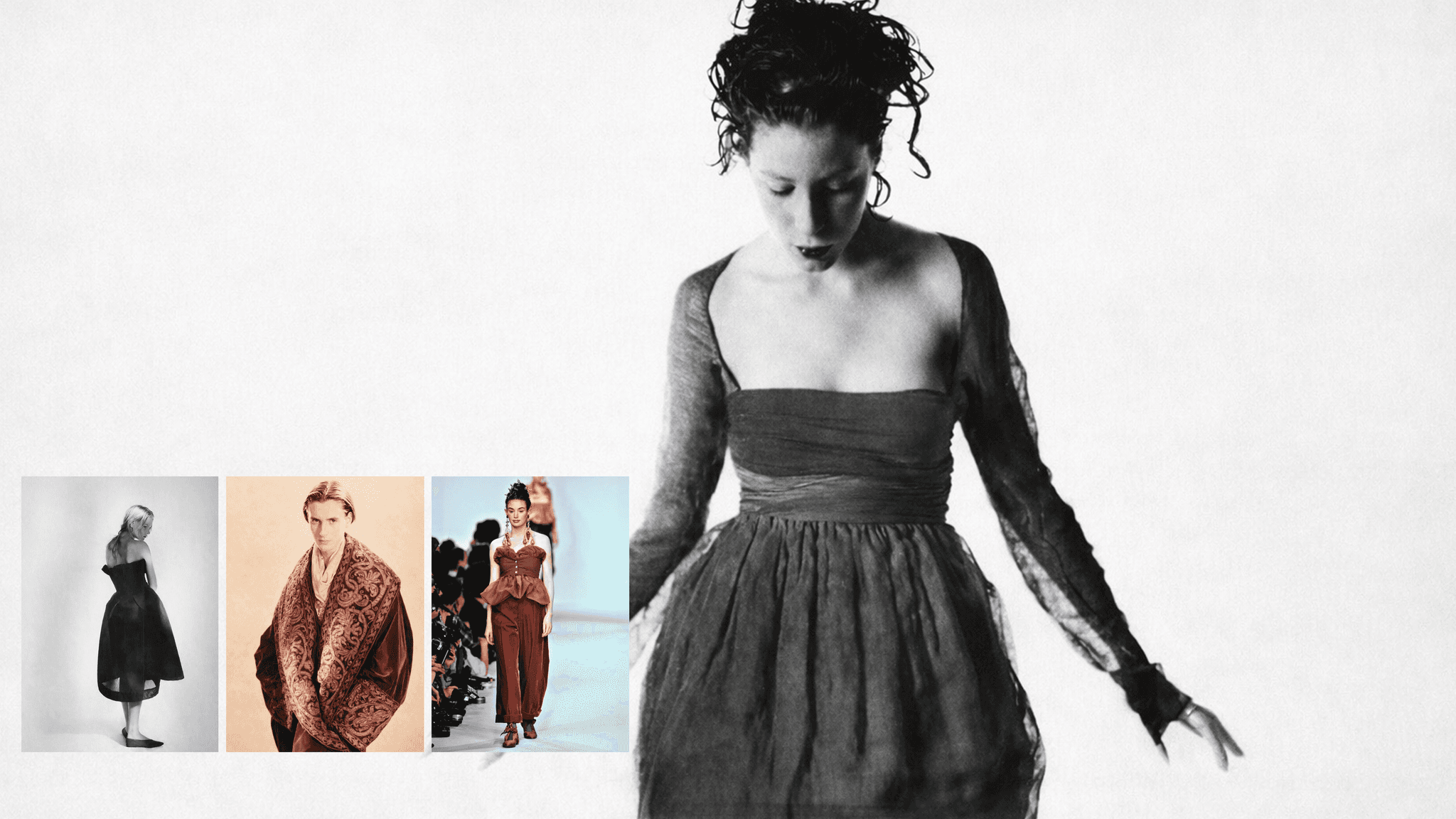
Lee’s sister Tracy booked him a one-way ticket to Milan. McKitterick thought the plan “a little crazy,” but Lee, nearly twenty-one, arrived there in March 1990 with a clear and specific aim: to work for Romeo Gigli. He was drawn to Gigli’s romanticism, his references to Byzantine mosaics and medieval reliefs, and the emotional intensity of his presentations.
This moment marks a transition from local, street-oriented British fashion into a more overtly romantic and international sphere. It also shows McQueen beginning to make strategic choices about where he needed to be, and with whom he needed to work, in order to develop his own voice as a designer.
04.1 ROMEO GIGLI
04.2 Milan
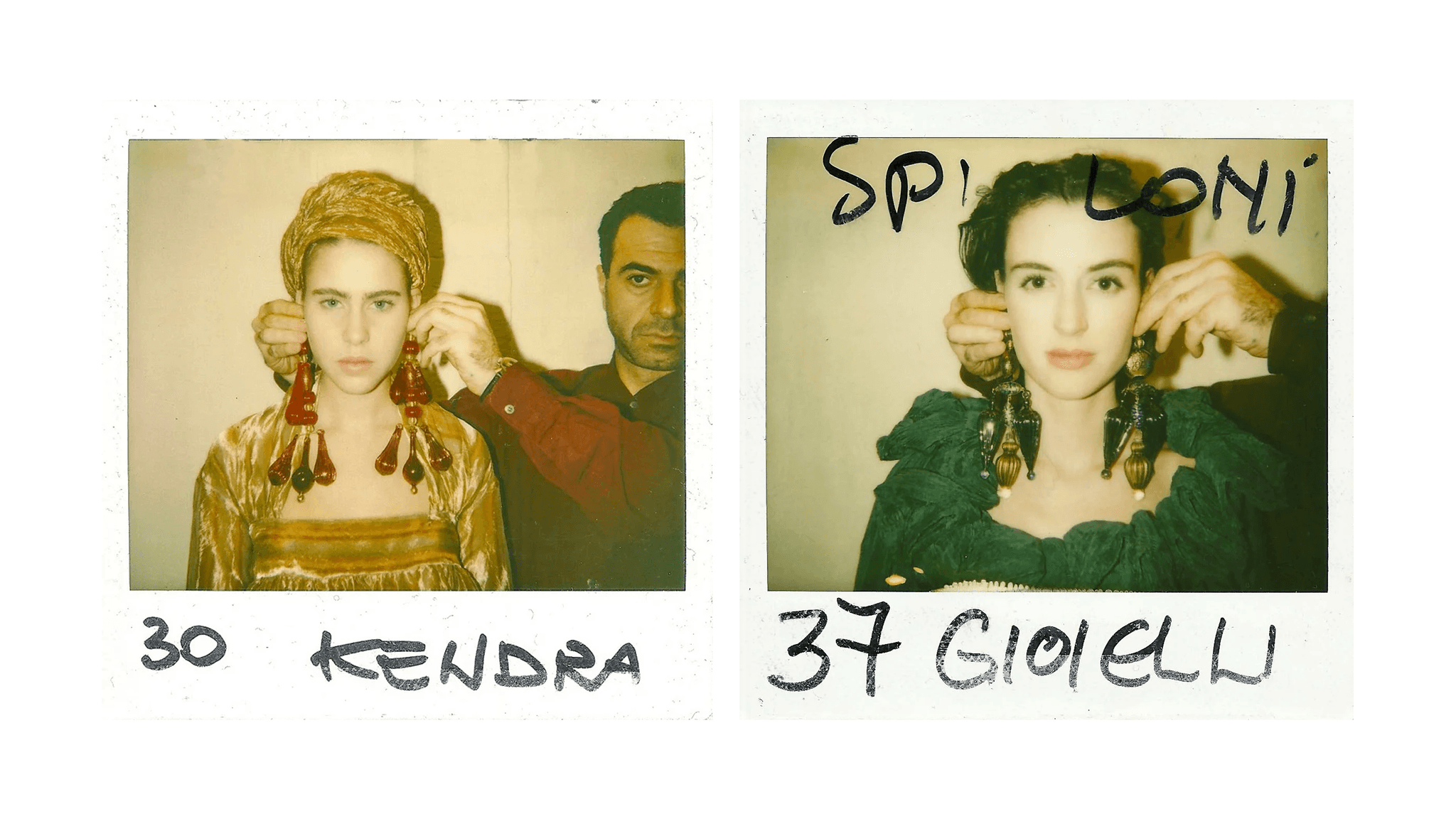
On the day he arrived in Milan, Lee—wearing seventies patchwork flares and a checked shirt—walked from Porta Garibaldi along Corso Como to Romeo Gigli’s studio without an appointment, carrying what he later described as the “worst portfolio” ever, made up largely of costume sketches. The receptionist called upstairs for Lise Strathdee, a New Zealander trained at Istituto Marangoni and working as Gigli’s right hand. She was struck less by the drawings themselves than by his unusual mix of work experience, and sensed that he wanted to escape London and try his luck in Milan. Because Gigli was meeting with Carla Sozzani, he could not be disturbed, so Lise took Lee’s details and watched him leave, disappointed.
Moments later, she noticed that Romeo had finished his meeting. When she mentioned the young man with Savile Row experience, Gigli agreed to see him. Lise ran toward the metro and caught Lee just as he was descending the steps; he later recalled her “running after me like a madwoman saying Romeo wanted to see me.” She remembered his expression changing immediately: his face lit up and he became warm, happy and talkative. Back at the studio, Romeo hired him on the spot.
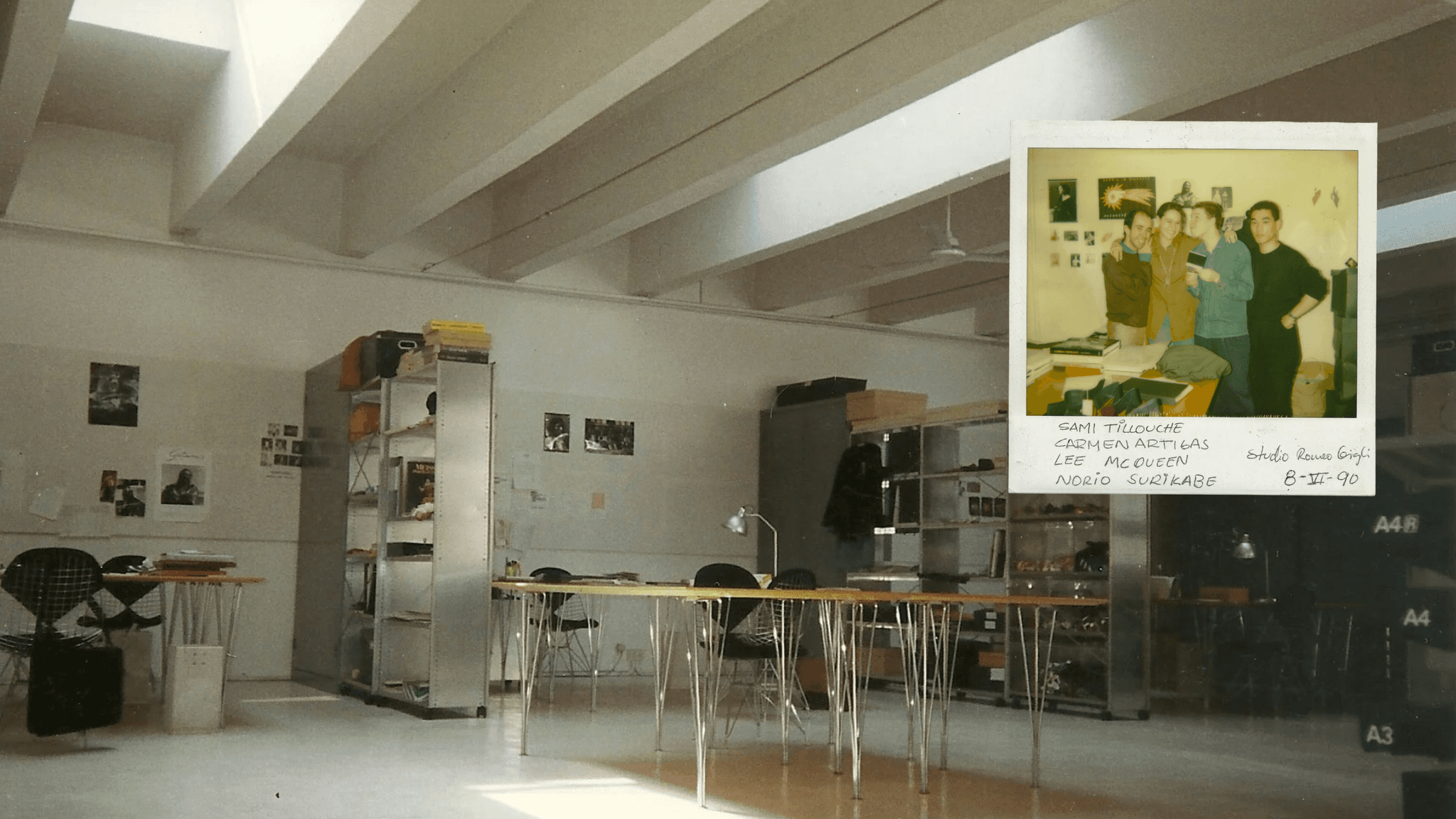
The salary was small—around 1.2 million lire a month—but Lee was elated. He telephoned John McKitterick, who was astonished but pleased by how quickly he had secured the position. Lee split his time between Zamasport in Novara and Gigli’s studio, an airy whitewashed loft on Corso Como above an auto-body shop, where he initially worked on clothes for Callaghan, another label designed by Gigli.
04.3 Romanticism & Persona
One of his first tasks was to replicate a pleat on a shirt worn by a young gypsy in a photograph by Magnum photographer Josef Koudelka. Design assistant Carmen Artigas later recalled that Lee struggled for a week to reproduce the pattern, only for Gigli to reject it as wrong. She remembered him sweating and nervous, worried he might be fired. Six years later in London, Lee pulled the same photograph from a plastic folder and asked Carmen if she remembered it, admitting he had feared losing his job over that assignment.
Carmen became close to him after noticing him holding his cheek in pain; she gave him an aspirin and later learned about his childhood in Stratford. She described his piercing blue eyes, shy manner and kind heart, and believed he was not yet fully out of the closet. He wore loose jeans and shirts, a pocket chain, and was self-conscious about his teeth. He suffered from gingivitis, with swollen pink gums and a missing tooth visible when he threw his head back to laugh.
04.4 Early Hybrids & Influences
The two often sketched together on vellum wrapping sheets used in the studio, producing small drawings of possible looks. Lee passed across images that clearly foreshadowed his later work: hybrid women with mermaid tails, veiled heads, metal cone breasts and arrows piercing their bodies, or fierce dogs paired with mythical birds. He signed them, “Carmen with love, Lee.” Carmen, surrounded daily by Gigli’s Pre-Raphaelite, romantic collections, found the monstrous tone of these sketches puzzling and wondered what was going on beneath his surface.
Lee lodged in a room in the flat that Lise Strathdee shared with others at Via Ariberto 1, near Sant’Agostino. The apartment had tiled floors, parquet and high ceilings. Each day he passed an elderly couple in the concierge cubicle, the husband often attached to a breathing apparatus. Lise later speculated that this recurring image may have partly inspired the disturbing tableau of a naked, masked woman breathing through a tube at Voss, the Spring/Summer 2001 McQueen show.
[BBC-10] UNIDENTIFIED COLLEAGUE (ITALY): “Ta-da. That’s Lee. This picture is a few months before I met Lee, when he was still in Italy working for Romeo Gili. I think they’re sketching, but it looks like they’re building the collection, designing. His sketches were unlike anybody else’s work — like he dipped a claw into ink and scratched — and the girls had no hair, beady little eyes, pointed noses, pointed ears. Completely different to everyone else’s work.”
Lee was determined to learn from Gigli’s methods and from his presence. Colleagues described Romeo as magnetic, “like a hologram”: not conventionally handsome, but mysterious and romantic. Born into wealth and orphaned as a teenager, Gigli spoke of having lived “like a prince” for a decade and credited his mother’s Dior and Balenciaga couture with shaping his understanding of construction. He drew heavily on books, paintings, foreign cultures and travel, describing his collections as a mélange of references from his father’s library rather than as single-trend statements.
Lee studied not only the clothes but also how Gigli handled attention and built his public image. “Gigli had all this attention and I wanted to know why,” he later said. “It had very little to do with the clothes and more to do with him as a person… You can’t give that sort of bullshit without having a back-up. If you can’t design, what’s the point of generating all that hype in the first place?”
Near the end of his time in Milan, Lee fell out with his flatmates. Lise came home one night to find him lying on her bed in tears; she comforted him and led him back to his own room. Soon afterwards, he packed up and left abruptly, leaving the front door banging open into the stairwell. His period with Gigli, which was itself being disrupted by internal tensions between Gigli and Carla Sozzani, ended in the summer of 1990. He told Carmen he planned to return to London but did not yet know what he would do next. She kept the drawings and photographs he had given her, as records of a brief but formative chapter in his development.

05.1 RETURN TO LONDON & CSM
05.2 John McKitterick Collaboration
Back in London, Lee moved into his parents’ house on Biggerstaff Road and began working again with John McKitterick, who had left Red or Dead to start his own label. McKitterick’s work drew on elements of fetish wear, using leather, PVC, zips and riveted detailing, and Lee assisted on numerous pieces. In this setting, he returned to a question that had been building quietly through all his previous jobs: not just how to make clothes, but how to shape a collection from idea to finished garment.
Despite his substantial training on Savile Row and his experience with theatrical and fashion studios, his CV still positioned him as an apprentice tailor and part-time pattern cutter or seamstress. These roles did not yet match the way he saw himself or what he hoped to do. By this point, he was clear: he wanted to be a designer.
05.3 Pursuing Design Education
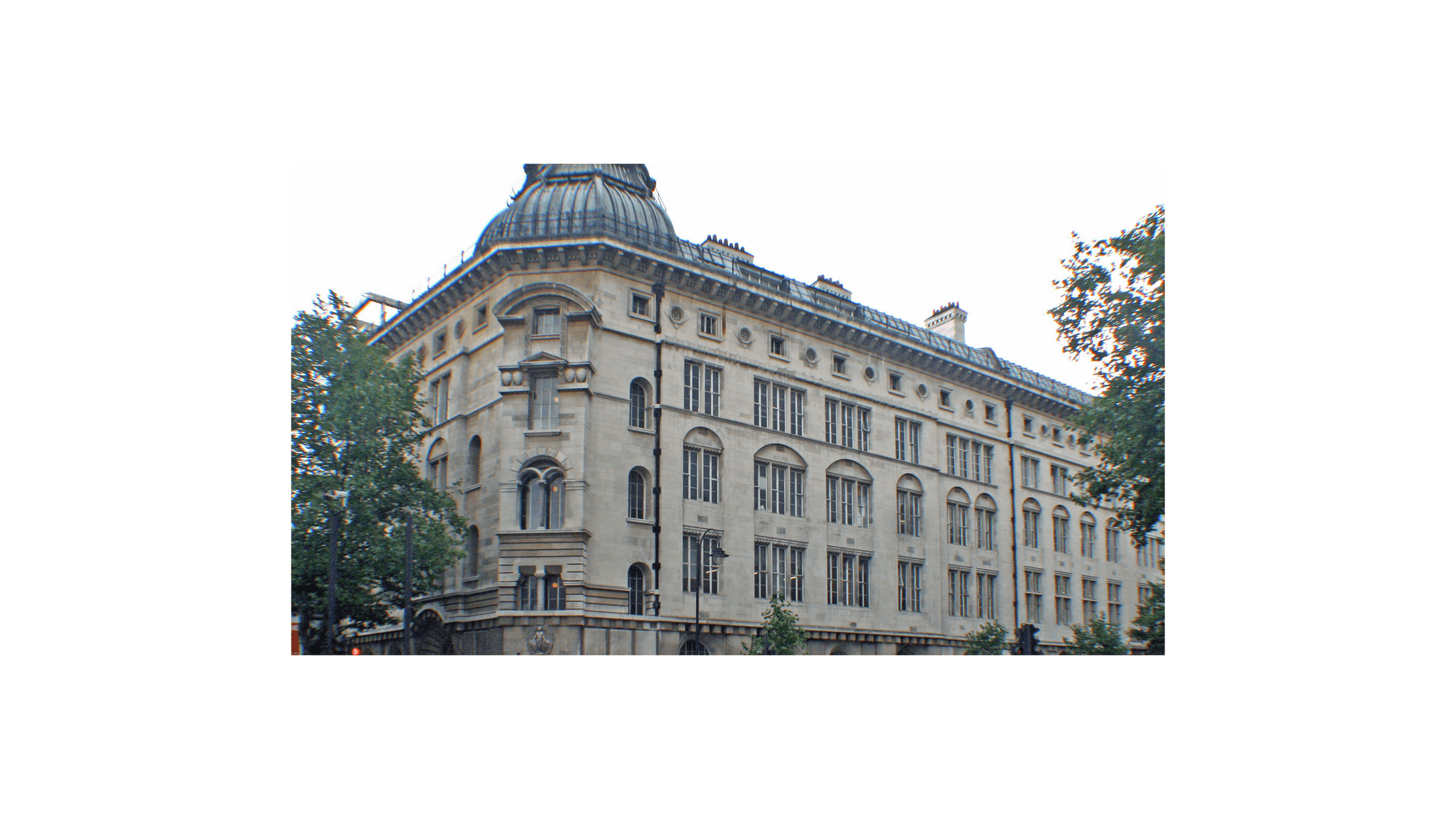
McKitterick told him that to move into design, he would need to understand the full cycle of the process—research, concept, cut, fitting, presentation—and that the best way to gain that perspective was through formal study. He described the MA course at Central St Martins, which he had completed himself, and suggested that Lee’s professional experience might be strong enough to secure entry even without a BA.
He gave Lee the name and number of Bobby Hillson, the founder and director of the course. Lee recognised how significant this opportunity could be and approached it with characteristic intensity, later summarising his mindset in a simple phrase: he “wanted to learn everything, everything, give me everything.”
This marks the point at which his earlier experiences—as tailor, costume worker, assistant and observer—begin to converge into a deliberate attempt to acquire the authority and structure of a designer’s education.
06.1 CONCLUSION
We’ve followed McQueen from a council flat in south-east London through Savile Row workrooms, theatre costume houses, East End pubs and a Milan studio, up to the doors of Central Saint Martins.
In the next episode, we look at his years at Central Saint Martins, culminating in his 1992 graduate collection, Jack the Ripper Stalks His Victims, tracing how this early history is translated into cut, fabric and narrative on the runway.
Thank you for watching. If you’d like to follow the rest of this series on McQueen and other designers, you’re welcome to subscribe. And if you’d like to shop the pieces and discover the context behind them, you can explore form.space, linked below.